To the ancient Greeks, the world was not just a physical space but a symbolic one. The farther a land lay from Greece, the more charged it became with meaning: mystery and wealth, danger and wonder. Two such places were Colchis, on the eastern edge of the Black Sea, and Iberia, the kingdom of Kartli tucked deep in the Caucasus.
Though the Greeks also used the term "Iberia" for the distant peninsula in the far west of Europe, this article is concerned solely with Caucasian Iberia—the Kartli of ancient Georgia. Together with Colchis, it formed a mythic and geographic frontier, shaping Greek imagination and interacting with the Hellenic world in ways both fantastical and concrete.
Today, modern Georgia stands as the living heir to both Colchis and Iberia. It is a country shaped by centuries of empire and invasion, but also by enduring myth. Its cultural soul—rich in hospitality, ritual, and resilience—echoes ancient perceptions. In tracing how the Greeks saw these lands, we glimpse how Georgia still carries their legacy, carved into its landscapes, folklore, and sense of place between worlds.
Colchis: Land of the Golden Fleece and Sacred Trials
The Argonautic Imagination
The most iconic myth linking Greece to Colchis is the voyage of Jason and the Argonauts. Tasked with retrieving the Golden Fleece, Jason sailed to the very edge of the known world—Colchis, a place of dazzling promise and mortal peril.
There, the fleece hung in a sacred grove of Ares, guarded by a sleepless dragon. Its symbolism was clear: royal power, legitimacy, and divine favor. To claim it, Jason had to yoke fire-breathing bulls, sow dragon's teeth, and defeat an army born from the soil.
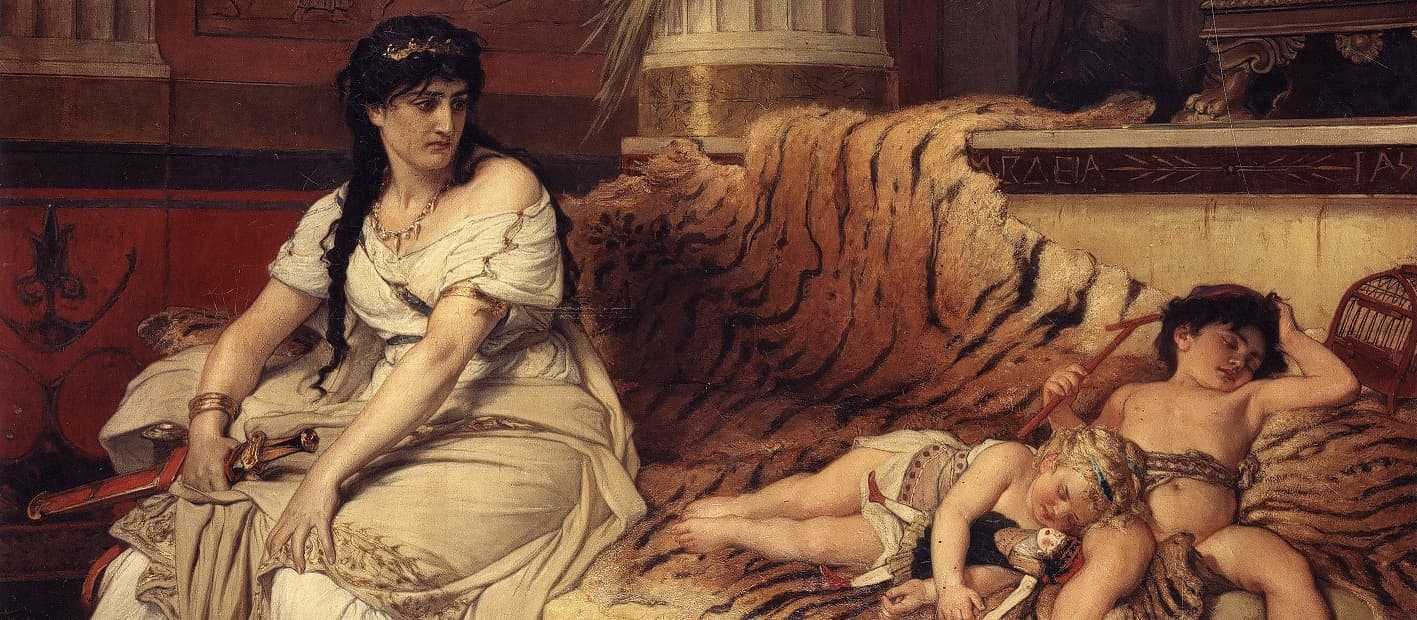
He could not have succeeded without Medea, the king's daughter, a sorceress steeped in Colchian magic. She gave Jason protection, guidance, and ultimately betrayal — turning against her family, then later against Jason himself. Through her, Colchis came to symbolize more than wealth or challenge — it stood for moral ambiguity, gender inversion, and the cost of transgressing sacred bonds.
Even today, Georgia embraces Medea as a complex figure. A statue of her holding the fleece rises over Batumi — not a villain, but a symbol of the country's own complicated identity.
In her dual nature, Georgia sees something of itself: a country that is both bridge and border, hard to place on any single map.
Caucasian Iberia: Kingdom in the Mountains
A Land Between Giants
If Colchis was the edge of myth, Caucasian Iberia—Kartli—was the seat of mountain sovereignty. Located in the interior valleys and highlands of eastern Georgia, Iberia stood between powerful neighbors—Rome, Persia, and later Byzantium—yet maintained a distinct political and spiritual identity.
Greek sources described Iberia as organized and fiercely independent, governed by kings, fortified settlements, and tribal allegiances. Its distance lent it mystery, but also respect. It was not imagined as barbaric chaos, but as a sovereign order with its own dignity.
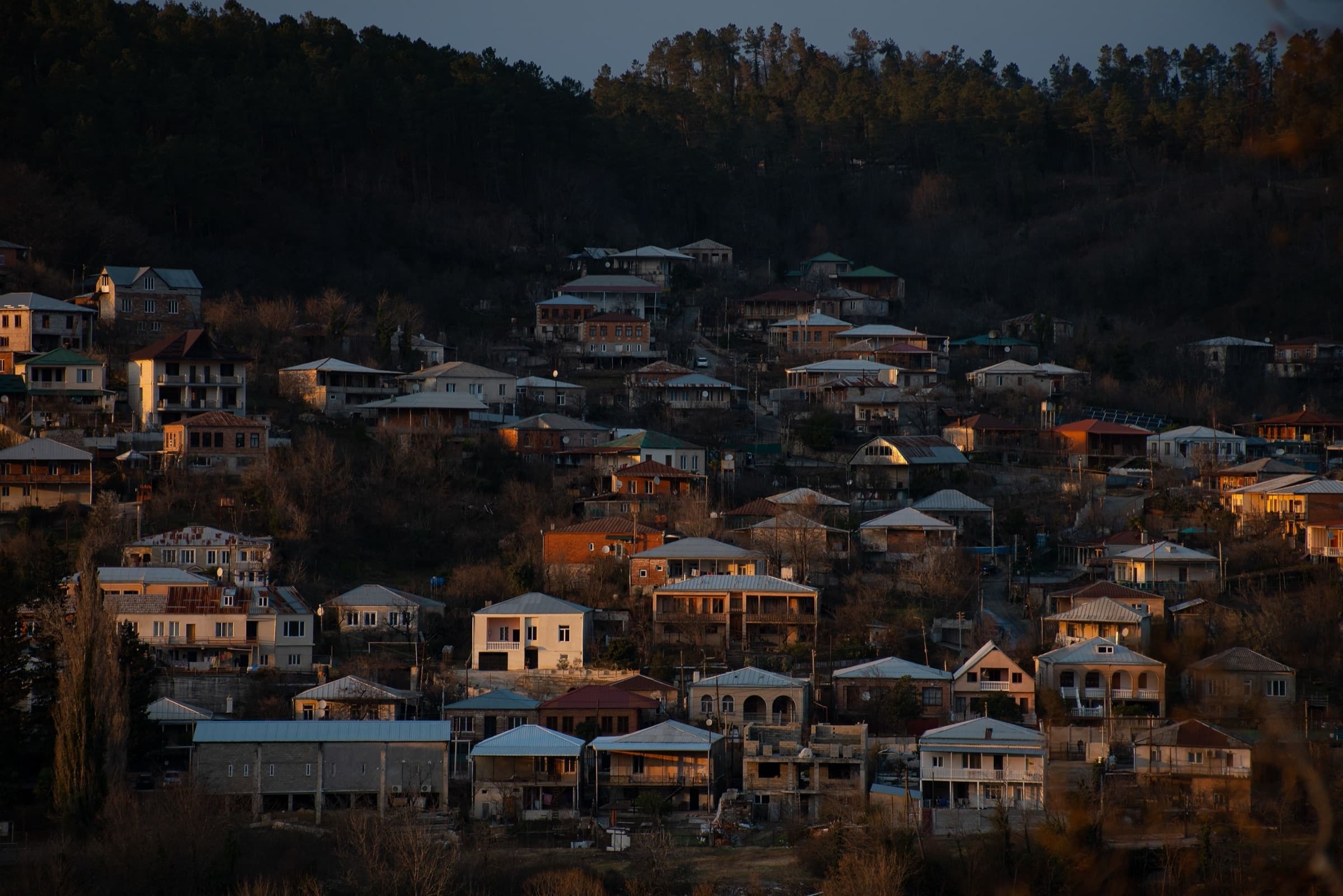
In modern Georgia, the echoes of Iberia still resonate—in the strong role of clans, the deep-rooted Orthodox tradition, and the mountain code of honor that shapes social life. The legacy of Kartli lives on in the stone fortresses, hidden churches, and the enduring concept of Sakartvelo, a land with its own center of gravity.
Cultural Reflections: What the Greeks Saw—and Feared
Greek myths cast Colchis as a place of limitless wealth and arcane power. The Golden Fleece itself was not merely treasure but a sacred object, guarded by rituals and divine forces. In such portrayals, the Greeks projected both awe and anxiety.
Medea and her kin—figures like Circe in some traditions—represent a land where knowledge was esoteric and women held real power, though their help never came free. These were societies imagined as both alluring and threatening, where women could alter destiny.
In Colchis, magic wasn't superstition—it was a form of power. Medea's sorcery, inherited from divine lineage, wasn't just personal skill; it functioned like statecraft, used to protect the realm or shift its destiny. To the Greeks, this suggested a culture where arcane knowledge carried real political weight.
Colchis was also sometimes associated with the Amazons—mythical warrior women whom the Greeks placed on the Black Sea frontier. Today, scholars suggest these legends stemmed from encounters with steppe nomads like the Scythians or Sarmatians, where some women held roles in warfare. To the Greeks, with their highly misogynistic societal structure, this inversion of expected gender roles marked Colchis as a realm where order was turned on its head and power operated according to unfamiliar rules.
The Georgian memory holds space for such inversion: powerful queens, revered female saints, and a mythology where women are not silent but central.
Iberia as the Martial Core
In contrast, Iberia (Kartli) was known for its defensive architecture, cavalry, and social order. Greek accounts often focused on its tribal structure and military readiness. Yet the emphasis was less on myth and more on sovereignty—the ability to withstand outside influence and maintain a center of power.
This legacy lives on. In Kartli's medieval fortresses, in the rituals of loyalty and kinship, and in the national consciousness that has long navigated empires without being absorbed, Georgia's highlands still carry the soul of ancient Iberia.
Strabo's Synthesis: Geography as Identity
The most comprehensive ancient view of Colchis and Iberia comes from Strabo, writing at the turn of the millennium. Drawing from centuries of accounts, he placed Colchis along the Phasis River, rich in gold and forests, with steady cultural contact between Greeks and local tribes. He described Greek colonies like Phasis and Dioscurias, hubs of exchange between Hellenes and local tribes.
Strabo's account of Caucasian Iberia is especially telling. He noted its kingdom structure, mountainous geography, and strategic position between Rome and the East. Iberia was more than a borderland — it was a pivot point, capable of influencing regional dynamics.
Most significantly, Strabo acknowledged the Greek use of "Iberia" for both east and west, recognizing that their conceptual geography was shaped as much by symbolism as by fact.
He resisted easy binaries like Greek and barbarian, seeing the world instead as a web of interwoven frontiers.
Modern Georgia reflects this vision. It is neither fully East nor wholly West, but a mix of influences—Hellenic, Persian, Byzantine, and native. Its identity was shaped by the rivers of Colchis and the ridges of Kartli, and it remains, even now, hard to place in any single category.
Conclusion: Ancient Names, Living Nation
To the Greeks, Colchis was magic and trial; Iberia was order and resistance. One embodied the dangerous allure of the unknown, the other the stubborn dignity of mountain rule. Yet both were vital nodes in the Greek mental map, shaping how the Hellenic world imagined its edges—and itself.
Modern Georgia inherits both legacies. From the Black Sea plains of Colchis to the fortified ridges of Kartli, it holds the geography and spirit that once animated Greek stories. Its identity remains layered, shaped as much by faith and myth as by modern politics and old tribal loyalties.
In an era of blurred borders and revived myths, Georgia still sits where imagination meets empire, where history is carried through its language and land. Visit today, and you can still sense the worlds of Greece, Colchis, and Iberia in its forests, its wine, and its polyphonic singing. They haven't disappeared, only renamed.