Long before steel mills and factories, the Caucasus Mountains were already echoing with the sound of hammers and fire. This rugged region — where Europe meets Asia — has always been rich in minerals like copper, gold, and iron. And right in the heart of it lies Georgia, a country with a surprisingly deep and often overlooked legacy in the early history of metal.
If you're a curious traveler who loves stories that go beyond the usual sights, Georgia has one that's worth digging into — one that stretches back to the dawn of iron itself.
Did Iron Begin Here?
Many locals — and quite a few scholars — believe that Georgia may have been one of the birthplaces of advanced metalworking: copper and bronze, yes, but also iron, and quite possibly the earliest steps toward steel. That's a big claim, but it rests on real archaeological discoveries, ancient legends, and a long tradition of craftsmanship that continues to this day.
Echoes from Legends: Tubal, Debet, and Amirani
Georgia's connection to iron isn't just buried in soil — it lives in stories.
Take the Biblical figure of Tubal-Cain, the first blacksmith mentioned in the Book of Genesis. Many scholars link Tubal-Cain to the ancient Tubal people, who lived just south of modern-day Georgia. Close enough to be neighbors, if not something more.
Then there's Debet, a mythical blacksmith from the North Caucasus epics. In those tales, he was the first to forge iron, plunging fiery blades into the waters of the Black Sea to harden them. That sea, by the way, laps against Georgia's western shore, which may or may not be a coincidence. But for people living in this part of the world, these stories built a cultural memory: that the art of metal began right here.
But in Georgia's own mythology, there is Amirani — a Prometheus-like figure who not only defied the gods but also brought fire and knowledge to humanity. Amirani is intimately tied to metal and flame, often imagined shaping weapons and enduring punishment for empowering humankind. Chained to the Caucasus mountains for his defiance, Amirani is a symbol of rebellious creativity — a divine blacksmith who suffered for the skill he gave.
In this regional triangle of myths — Tubal to the south, Debet to the north, Amirani at the center — Georgia becomes more than geography. It becomes the symbolic forge where the world's first fire-hardened blades and bold ideas were born.
"In the Georgian imagination, metalwork was not invented — it was gifted, tested, and fought for."
Georgia's Central Role in a Wider Story
Situated between Anatolia and the North Caucasus, Georgia sits right in the crossroads of these legendary and historical traditions. It's no wonder that its people remember ironworking as something that started close to home — maybe even underfoot.
And there's more than myth to support it.
What the Archaeology Says
Georgia's Bronze Age was already booming before iron came along. Cultures like the Colchians — yes, the same Colchis where Jason sought the Golden Fleece — were masters of metal. When iron began to appear, they had the skills to take it further.
Archaeologists have uncovered early smelting sites in western Georgia, and some studies suggest that iron may have been worked here as far back as 1800 BC. The exact dates are still debated, but the density and richness of these discoveries show that this was no minor hub. Georgia's blacksmiths also made clever use of natural resources — like the magnetic sands along rivers — to source their iron. That kind of ingenuity points to a community deeply familiar with the material.
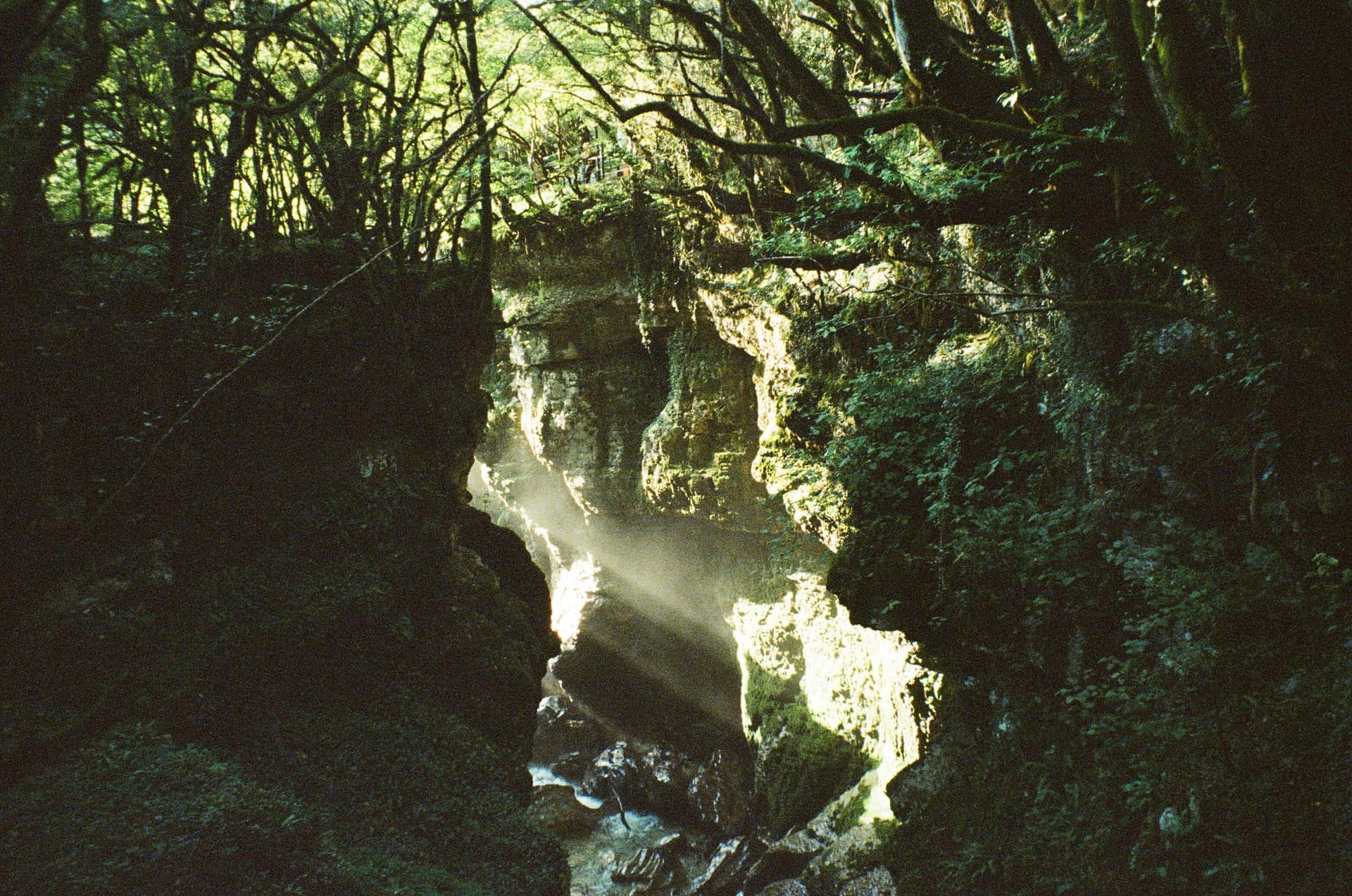
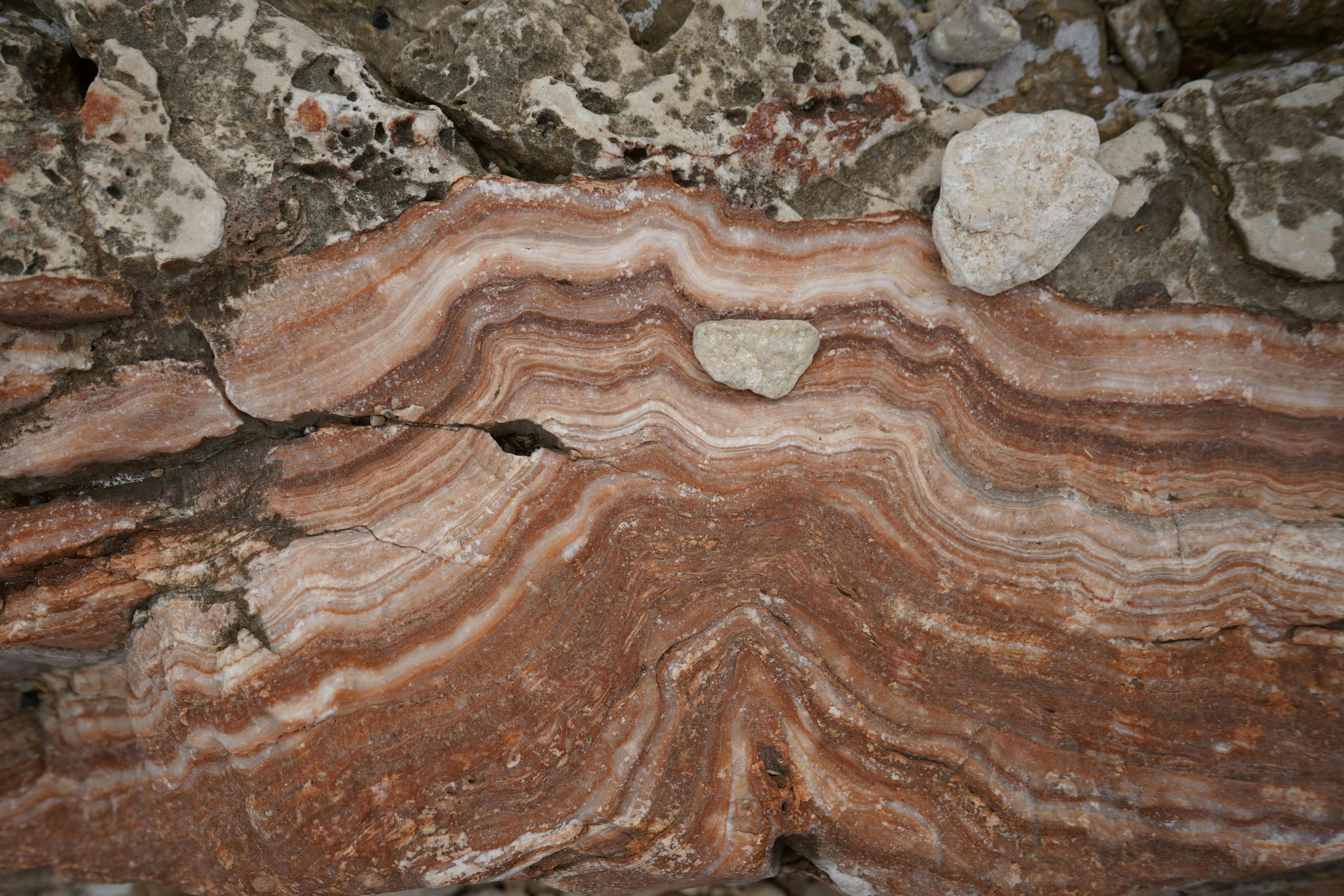
The Tskaltsitela River valley is rich in iron content, a characteristic reflected in its name, which translates to "Red Water" and indicates the high concentration of iron.
Enter the Chalybes — Legendary Ironworkers
The Chalybes were ancient metalworkers who lived in the Pontic region near the southern Black Sea — not far from Georgia. Greek historians couldn't stop talking about them. Xenophon described them as living by iron alone. Apollonius wrote of them laboring under smoke and fire.
Some scholars say "Chalybes" wasn't one ethnic group but a name for various metal-savvy peoples in the region — possibly even related to the ancestors of the modern Laz, an ethnic group from coastal western Georgia. Regardless, their reputation stuck. Even the Greek word for steel — chalybs — comes from their name.
So… Was Georgia The Cradle of Iron?
Let's be honest: it's hard to crown one place as the single birthplace of such a huge technology. Other regions like Anatolia (modern Turkey) have strong claims too. And the very first sword-like objects come from places like Arslantepe and Crete.
What we can say for sure is this: Georgia was an early and skilled player in the ancient metal game, one that earned real respect. Others may have struck iron first, but Georgians refined it and passed the knowledge down for generations, through craftsmanship and legend.
A Living Tradition
Today, echoes of this metalworking past live on in Georgia's traditional blacksmithing, dagger-making, and even ceremonial crafts. The iconic khanjali — the curved Georgian dagger — is still forged using techniques handed down for centuries. Some even link these blades to the ancient prestige of "Damascus steel" or bulat, famed for its strength and flexibility.
In the End: A Story Forged in Fire
So, while Georgia might not be the only cradle of iron, it's definitely a place where the story of metal takes on a life of its own. Between the archaeological finds and the traditions still practiced today, Georgia's connection to iron runs deep.
Stand by a smoky forge in the mountains, or just listen to the legends told by a local, and you're connecting to a legacy forged deep in the Caucasus.
And that, for any curious traveler, is an experience worth having.