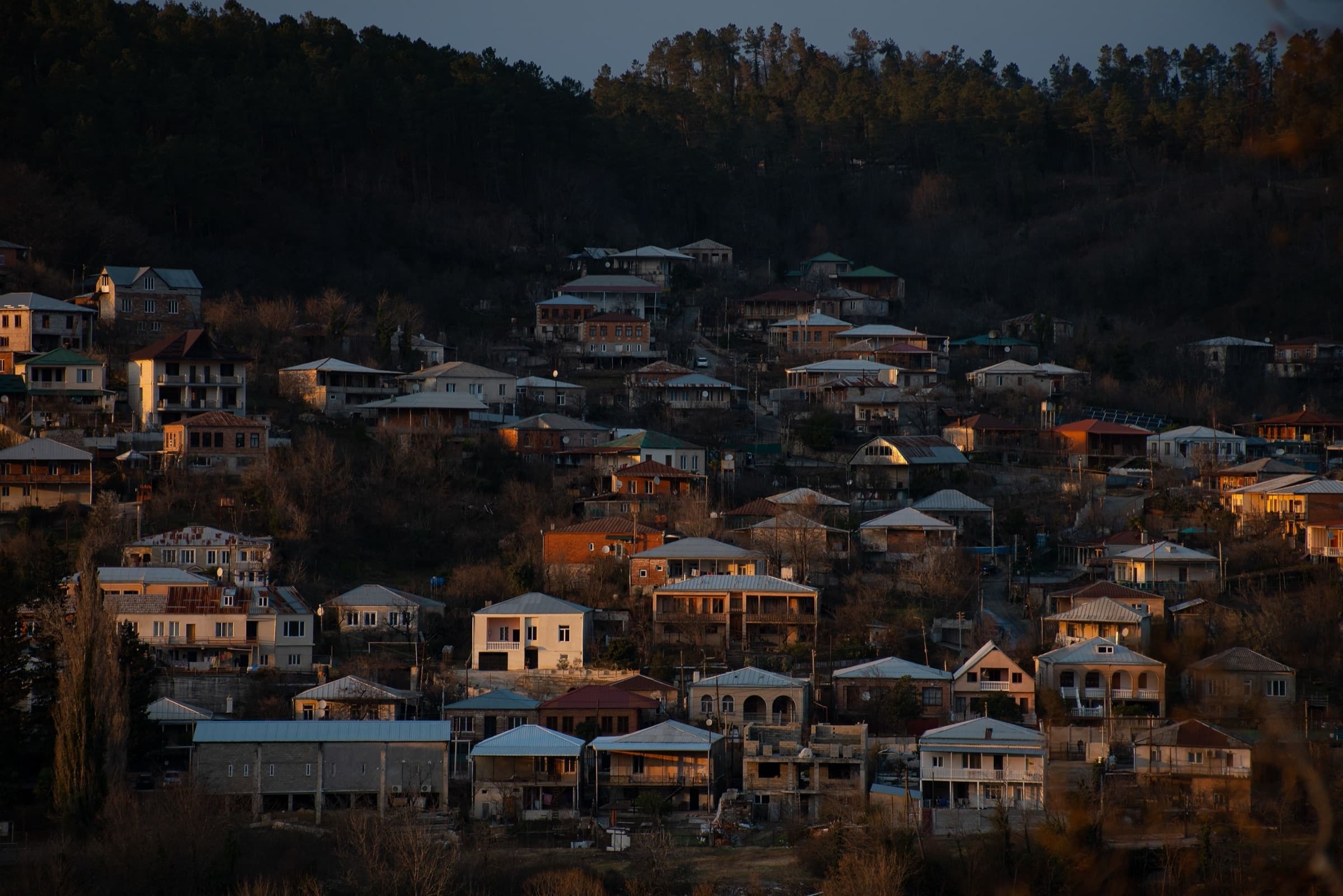
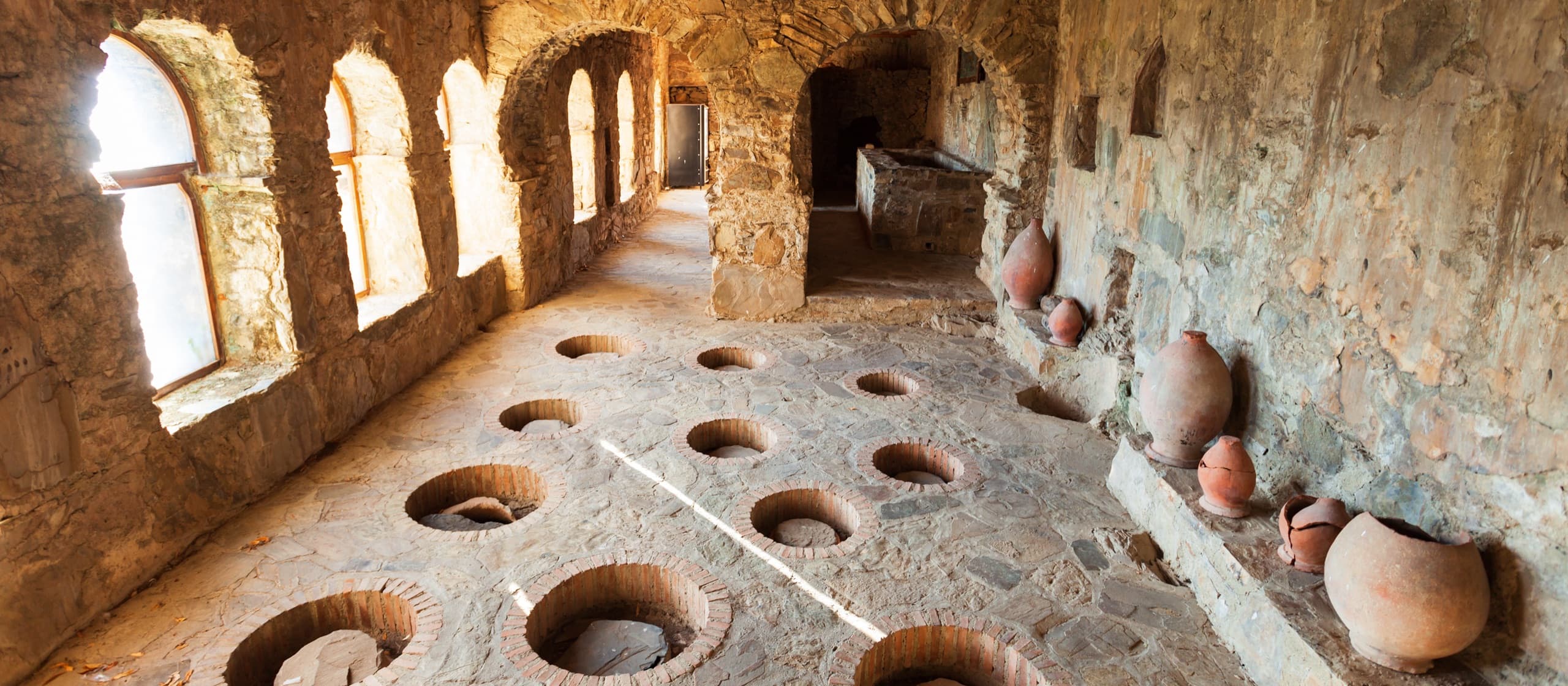
Alex stands in the sunlit yard of his ancestral home in Upper Imereti, where his grandparents once buried their qvevris. The round clay lids peek through the earth like quiet sentinels of time. In his mid-40s, Alex has left urban life to return and continue his family's wine tradition. Here, surrounded by nature, he practices a method dating back 8,000 years. By working in the same place his ancestors did, he takes part in a living heritage recognized by UNESCO, connecting generations across the same land.
Alex understands his practice is deeply embedded in history. Winemaking in Georgia is one of the oldest continuous wine cultures globally. Early inhabitants discovered fermenting grapes in clay vessels produced an enjoyable beverage, central to life and rituals. These vessels, qvevri, remain central to Georgian viticulture. UNESCO's recognition highlights its cultural value. For Alex, returning home is a conscious decision to continue an uninterrupted tradition. "Each time I fill a qvevri, I feel like I'm part of something much older than myself," Alex says. "It's not just a technique—it's memory sealed in clay." This continuity gives historical weight to his craft, preserving a heritage that survived invasions and industrialization.
Qvevri: Form, Function, and Material Science
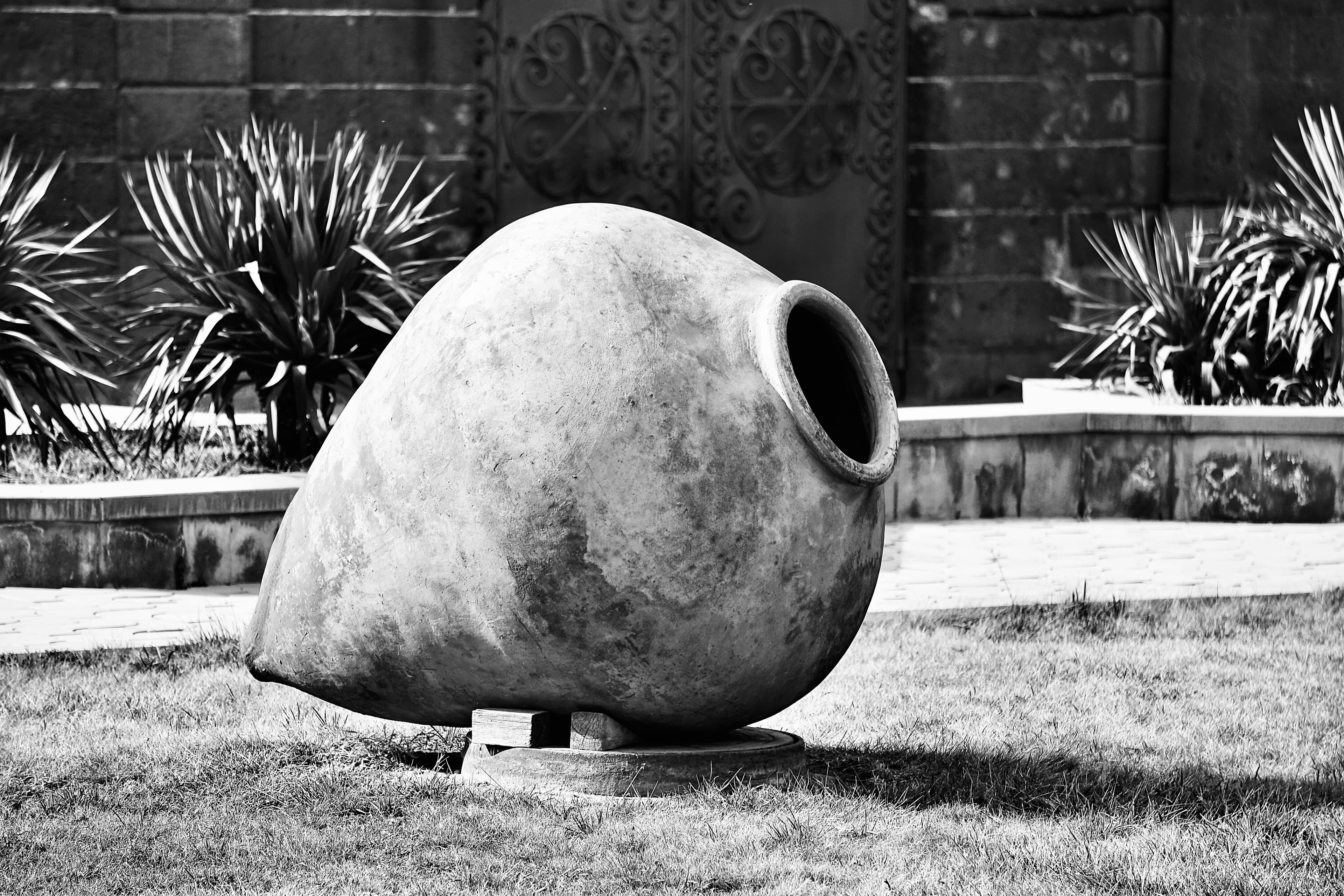
The qvevri is a sophisticated artifact despite its ancient roots. Shaped like an elongated egg, it's crafted from local clay using coil-building, requiring meticulous attention to ensure it withstands fermentation and soil pressure.
"Some of the qvevris in the yard behind my house are older than anyone I know. You can't help but respect that kind of longevity."
The buried nature of the qvevri provides consistent thermal regulation for fermentation. Much like Japanese katana forging, the process turns raw materials into something culturally significant through skills passed down over generations, refined through disciplined practice and inherited knowledge.
Soil, Grapes, and the Closed Ecological Cycle
Qvevri wine production's compelling aspect is its connection with natural cycles. Clay for the qvevri comes from Georgian soil, as do the grapes. After harvest, crushed grapes return to the earth in buried clay vessels to ferment. Months later, the wine emerges. Remaining pomace (skins and seeds) is often composted or distilled into chacha, ensuring nothing is wasted. Durable qvevris can be reused for decades. "Some of the qvevris... are older than anyone I know," Alex notes. Cleaning vessels each season is ritual maintenance. Similar soil-based traditions exist globally, built on locality and endurance, with human labor woven into the rhythms of the land. The vessel is an active part of the process.
Labor, Knowledge, and Cultural Continuity
The qvevri method relies on human labor and transmitted knowledge. Each stage—harvesting, crushing, filling, sealing—requires attention, especially during the initial fermentation. "In the first couple of weeks, you can't ignore the qvevri," Alex explains. "You have to stir the cap down every day." This daily task demands consistency and care, often shared by family or neighbors. Cleaning a large qvevri can require entering it entirely, a task needing care and strength. (A historical tale warns against climbing in). Skills are passed down informally, through observation and imitation. "We didn't go to school for this," Alex reflects. "We just watched our parents and grandparents." Adulthood brings technique and values: patience and respect for the past. While many adhere to ancient methods, some incorporate modern tools like pumps or thermometers, ensuring the tradition's survival today.
Grape Varieties and Regional Character
Georgia's grape diversity reflects its regional landscapes and communities. The qvevri method supports this biodiversity, bringing out natural characteristics without industrial intervention. Eastern regions like Kakheti feature bold Saperavi and crisp Rkatsiteli, mirroring intense sunlight. Western regions favor lighter grapes like Tsolikouri and Tsitska, reflecting humid air and shaded hillsides. Each variety is tied to local knowledge. Growers and winemakers are stewards understanding how the grape reflects the land and people. Preserving this diversity is a cultural act requiring collaboration, as many vines are in small plots. Georgian viticulture acts as a living archive of place-based knowledge. Through qvevri production, this diversity is expressed, offering a glimpse into the land and its people. Alex contributes by planning to plant Kundza, a rare local variety. "That's how these grapes survive—one small vineyard at a time."
Experiencing Qvevri Traditions Today
With our passionate tour guides, you can experience this ancient process up close, visiting small, family-run wineries across various Georgian regions to see traditional qvevri wine production and connect with local winemakers. You also have the opportunity to see how qvevris themselves are made. Through guided visits, travelers engage their senses, smelling and tasting wine drawn straight from the qvevri. Connecting with the people behind the wine, who embody generations of accumulated knowledge, is just as important. These visits offer a form of cultural exchange, fostering dialogue and human connection that helps preserve Georgia's unique wine heritage.
Through Darani Travel, travelers can access small, authentic wineries and directly engage their senses, smelling the fermenting grape skins and tasting wines drawn straight from the qvevri. Just as important is the opportunity to connect with the people behind the wine: the growers and winemakers who embody generations of accumulated knowledge. These visits allow visitors to understand the mindset and way of life that sustain this tradition. This goes beyond wine tourism — it's a form of cultural exchange, where dialogue and human connection play a central role in preserving and appreciating Georgia's unique wine heritage.