The diversity of Georgian landscapes and moods – especially during different seasons is truly inspiring. For me personally spring is the most precious among all the other seasons - it's the time when the hybernation mode is finally over and nature rings the bell within my body and soul. But it's a completely different story for a traveler like you - whenever you go to a foreign place, you are curious and you find different things, whatever time of the year it is. I decided to sum up seasons in Georgia and hopefully give you some glimpses of what's to come.
Winter: Adventure and Solace in the Snow
As snow carpets the Georgian mountaineous landscapes (which there are plenty of), a rare type of wilderness emerges—perfect for travelers craving both skiing adrenaline and ancestral comfort.
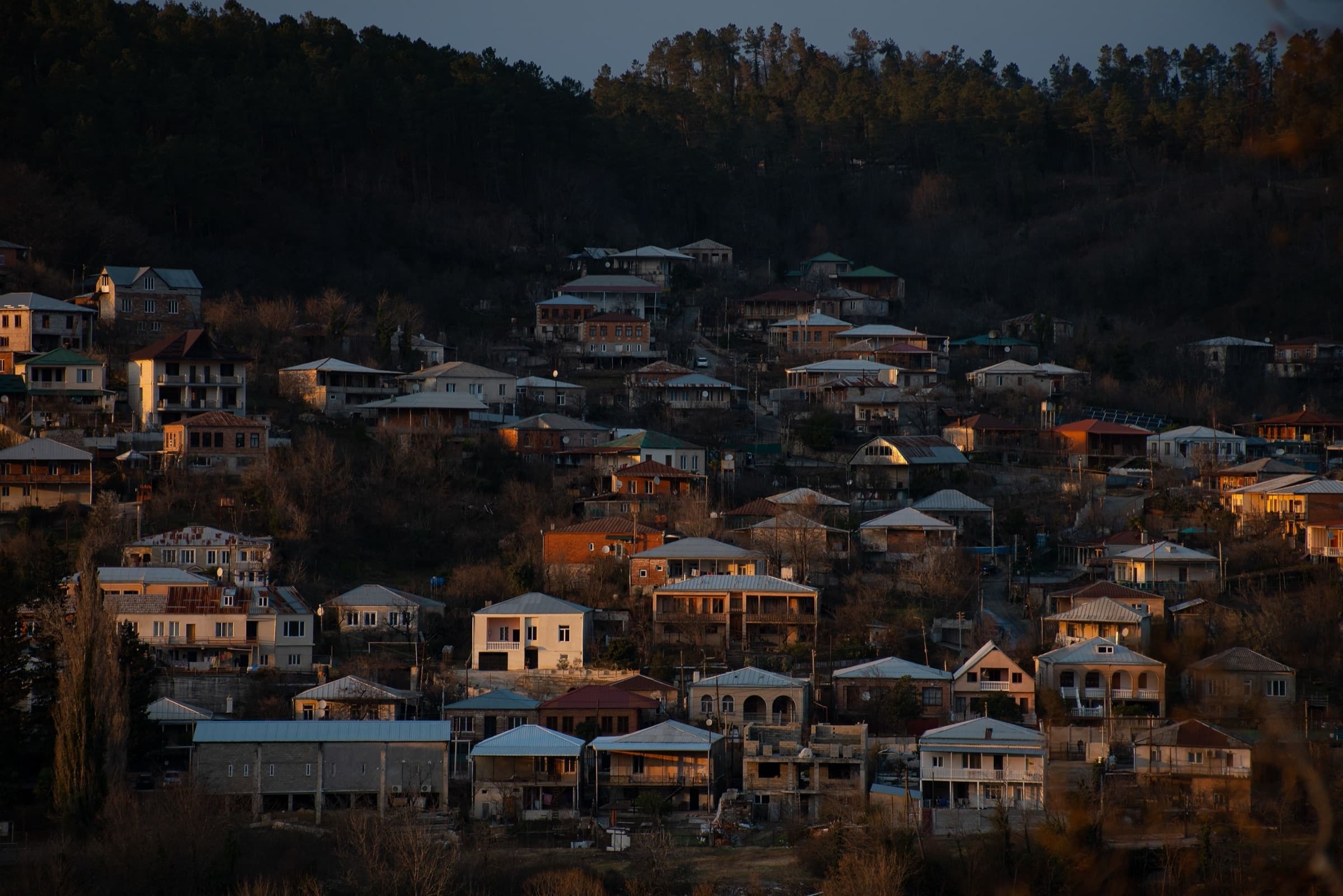
In the Guria region, perched between 1926–2050 meters, lies Bakhmaro, a little-known winter destination prized for its remote location and raw beauty. Accessible only by snowcat, Bakhmaro is a freerider's dream. Deep powder—often up to five meters—covers slopes untouched by lifts or crowds. Snowcat-assisted ski touring and freeriding reign supreme here. Brightly painted wooden cottages, originally built for summer, now stand like winter storybook homes against a pristine backdrop.
Farther north, the Svaneti region offers a high-altitude experience steeped in medieval history. Here, skiing is more than sport, it's a journey through medieval villages and snow-laced peaks, made warmer by Svan hospitality. In February, the ancient festival of Lamproba adds a striking cultural dimension. Villagers light tall torches made from pine and birch to honor their ancestors, creating glowing rivers of fire across the snowy night, a ritual of memory and light.
There are also other Ski resorts in Georgia: 1) Bakuriani famous for it's lush pine forests and more suitable for comfortable family vacations. 2) Gudauri located just 2-2,5 hours away from Tbilisi if you are looking for a short weekend getaway. 3) Goderdzi located in Adjara region, known for it's fantastic snow quality but only very few pistes.
If you do decide to ski somewhere along the lesser or greater Caucasus (especially Bakhmaro), don't forget to take a short detour to Vani archaeological museum en route, which hosts fantastic exhibition of Georgian treasures from bronze age, stunning pieces of jewelry, statues – Vani was apparently Georgian Eldorado back in the day. Not too far from Vani there is another gem of a location, called Dikhashkho -it's an open air, natural, sulfur hot tub which is accessible for whole year, for FREE. Don't get intimidated by some locals joining you in though, there is plenty of space for everyone. After hardcore skiing and sore muscles, soak in this hottub is like a doctors prescription. Other options for soaking and relaxing include the ancient, historic sulphur baths of Tbilisi, with their beehive-shaped domes. These thermal springs have soothed the weary for centuries. Visitors seeking deeper relaxation can also turn to the historic spa towns of Borjomi and Tskaltubo, where mineral waters and wellness rituals have long been part of local life.
Spring: Rebirth and Raw Tradition
As Georgia begins to bloom, ancient traditions stir to life in villages, valleys, and city streets alike.
I vividly remember bizarre scenes from my childhood, when my father used to drive us to the countryside of Georgia in the spring. We would sometimes be stopped on roads by a group of people wearing colorful but partially torn clothes, strange masks of different animals and creatures, holding wooden staffs and demanding money from us. When this happened for the first time, I was scared to depth, but seeing my father smiling at those weirdly dressed creatures and handing them some coins as an offering, made me realize that there is no real danger:
In Kakheti, the Berikaoba festival bursts forth like spring itself, chaotic and theatrical, rooted in ancient fertility rites. Performers wear wild animal-hide masks and parade through the streets, playfully demanding wine and bread in exchange for good fortune. Folk tales and Chidaoba wrestling give the festival a folkloric energy few travelers ever witness.
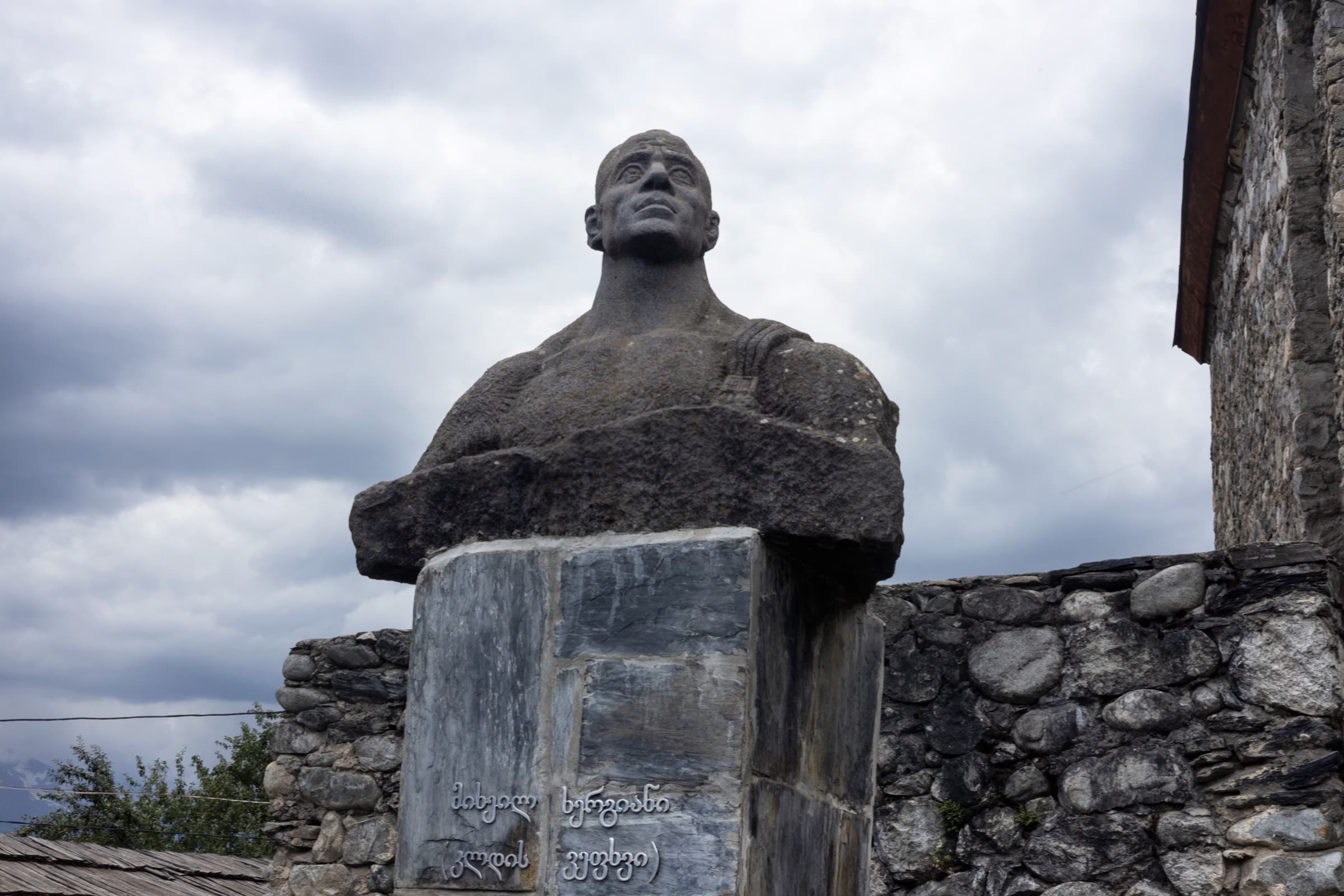
Spring also brings Lelo Burti, Georgia's famously ferocious folk rugby. Played in Shukhuti on Orthodox Easter Sunday, the game has no rules, no field, and no time limit. Two teams push a 16-kilo leather ball across rivers and open roads, a test of strength and unity. While its roots are sacred, Lelo is also a celebration of village pride, echoing Georgia's love of tradition and endurance.
Summer: Festivals and Highland Heritage
With sunlit valleys and open mountain passes, summer in Georgia invites exploration through its music and mountain traditions.
In Tbilisi, the Art-Gene Festival turns the Open Air Museum into a vibrant celebration of folk music, crafts, and cuisine. Traditional ensembles share the stage with modern musicians, bridging generations in an atmosphere of joyful cultural expression.
In the remote highlands of Tusheti, the Tushetoba Festival honors local heritage with equestrian competitions, feltmaking, and mountain feasts. Visitors can sample Tushetian khinkali, learn about shepherding, and experience the fierce beauty of Georgia's most isolated region.
Summer also brings a new energy to Bakhmaro, where the Doghi horse race in August draws crowds from across Guria. This highland competition, set against misty pine forests, adds excitement to a village better known for its serenity and stunning views.
Regions like Racha, Khevsureti, and Svaneti invite hiking, storytelling, and connection to nature. Wooden balconies overflow with geraniums, and trails lead to waterfalls, ancient towers, and remote monasteries.
Autumn: Harvests and Sacred Traditions
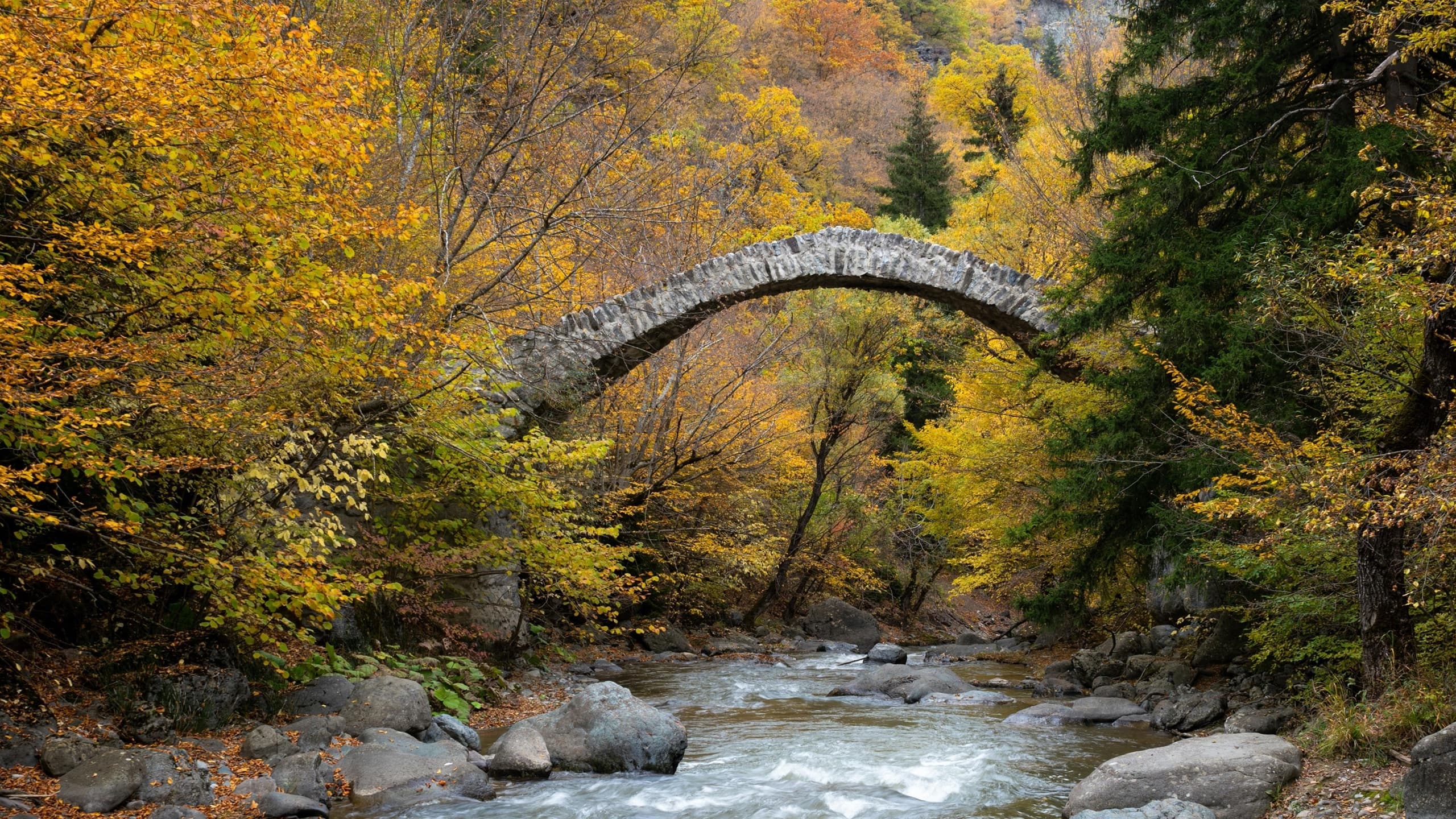
As the landscape glows with amber and gold, Georgia's autumn becomes a season of gratitude and celebration.
In Kakheti, the traditional Rtveli grape harvest gathers families and guests for days of picking and pressing. Grapes are crushed by foot and poured into ancient qvevri vessels, continuing an 8,000-year-old winemaking tradition. The season ends with a lively supra, filled with song and toasts.
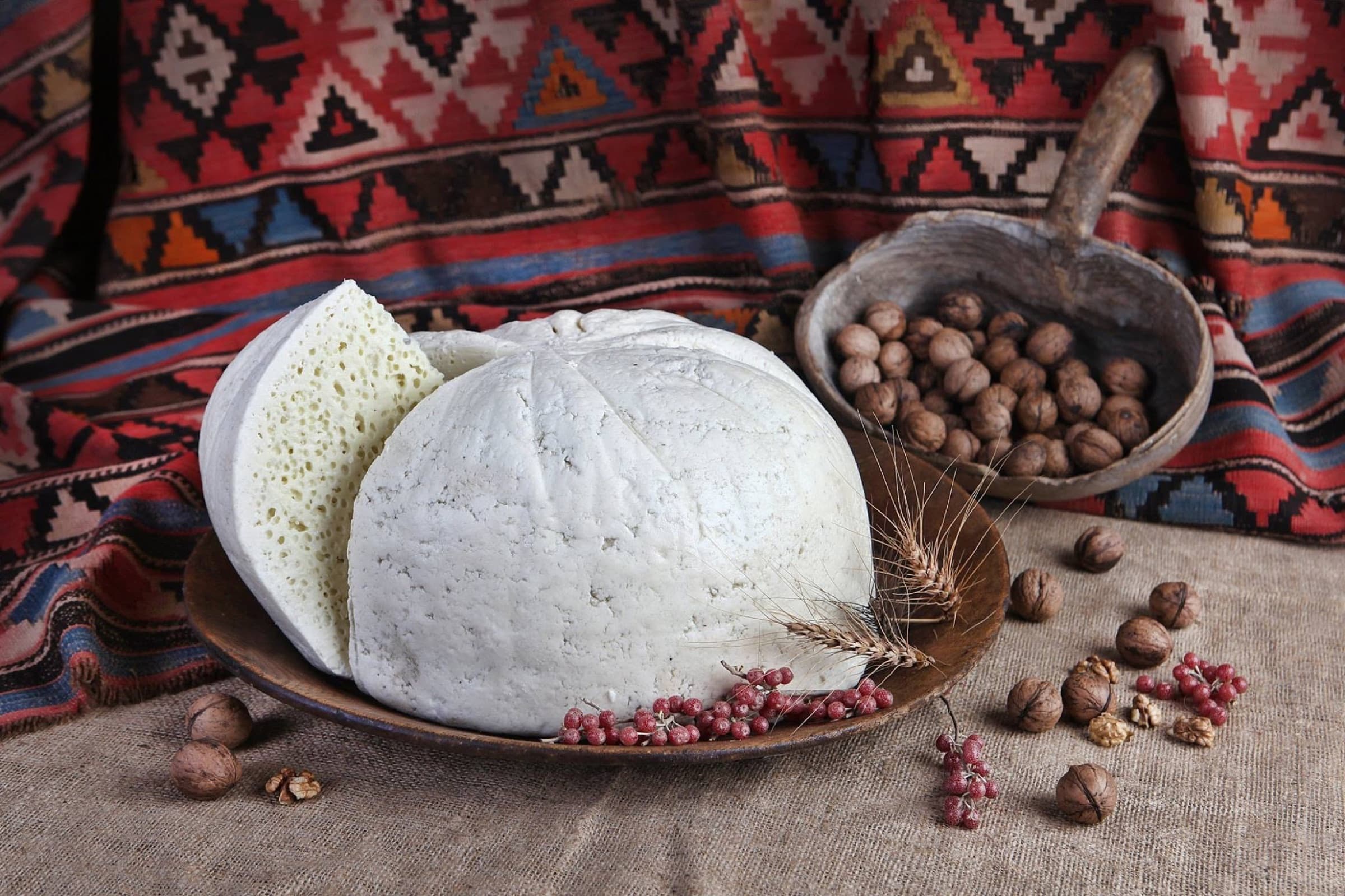
In Tbilisi, October brings Tbilisoba, a city-wide celebration of heritage and harvest. Rike Park hosts symbolic grape-pressing rituals, while open-air concerts and artisan markets fill the streets. Guests sample traditional dishes like mtsvadi and churchkhela, and watch performances ranging from polyphonic choirs to puppet shows, all culminating in fireworks over the Old Town.
Back in Kakheti, Alaverdoba offers a sacred counterpart to the city's bustle. Pilgrims from across the Caucasus gather at the 6th-century Alaverdi Monastery for solemn processions and candlelight rituals. The day ends with horsemen circling the church while singing the ancient warrior song Dalai.
In November, the nation honors its patron saint on Giorgoba, a blend of solemnity and warmth marked by services and feasts. In Svaneti, where Saint George holds special significance, families prepare traditional dishes like kubdari, sing, and dance in a communal affirmation of faith and resilience.
Meanwhile, Batumi closes the season with Batumoba and Gandagana, festive events that showcase Adjarian rural culture through cooking competitions and live music. With the sea as a backdrop and mountains nearby, it's a fitting conclusion to Georgia's autumn.
Final Thoughts
Georgia is a land shaped by rhythm: changing seasons, folk songs, and toasts raised again and again. Each season offers its own way to connect with the land and its people.
You might be freeriding down untouched snow in Bakhmaro, or pressing grapes in a city square during harvest season. Either way, Georgia invites you to slow down and experience its traditions firsthand.
At Darani, we specialize in crafting immersive, tailor-made journeys through Georgia's seasonal beauty, with each experience shaped by authenticity and a genuine sense of place. We have many memories, and we believe they can shape the trips we're inviting you to take.