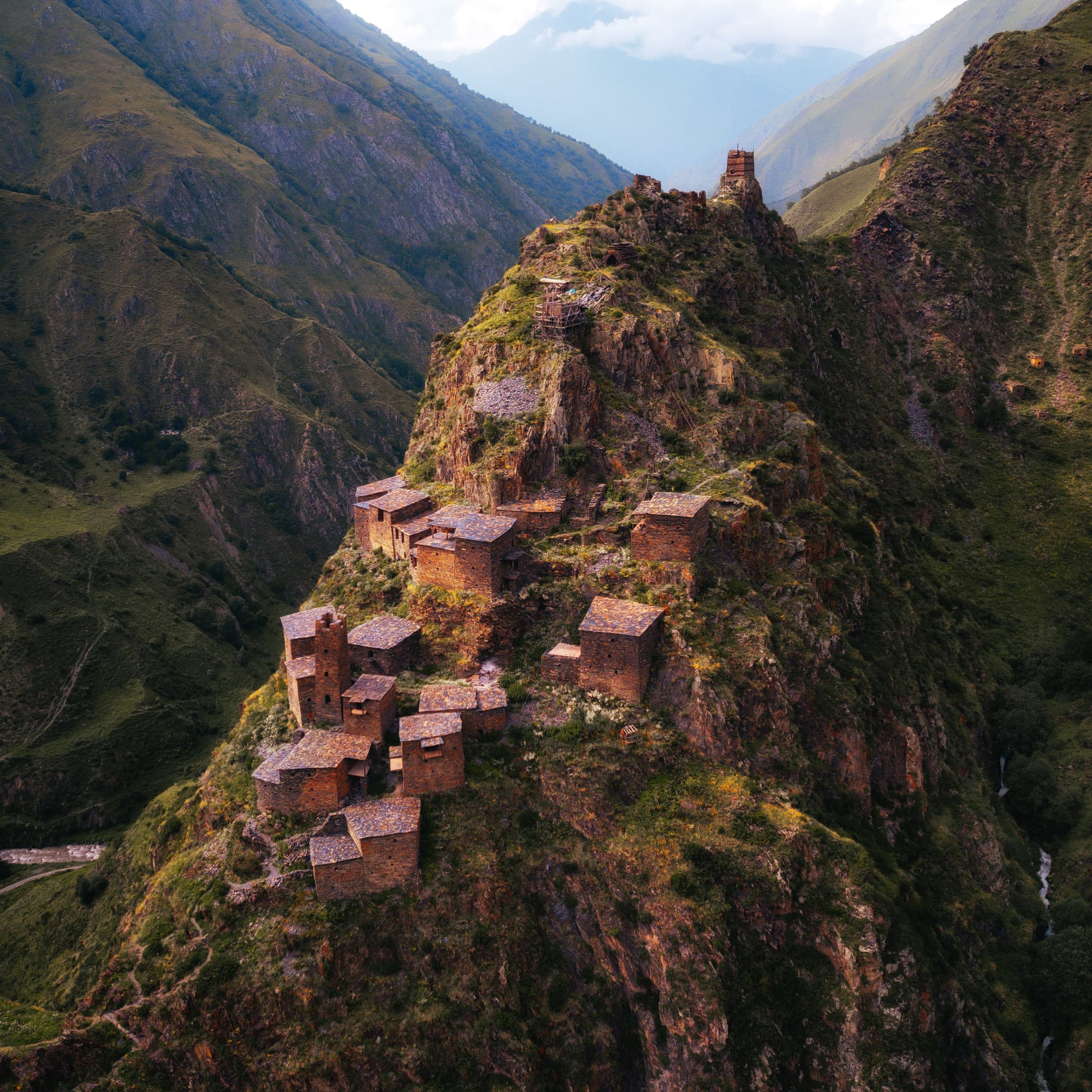
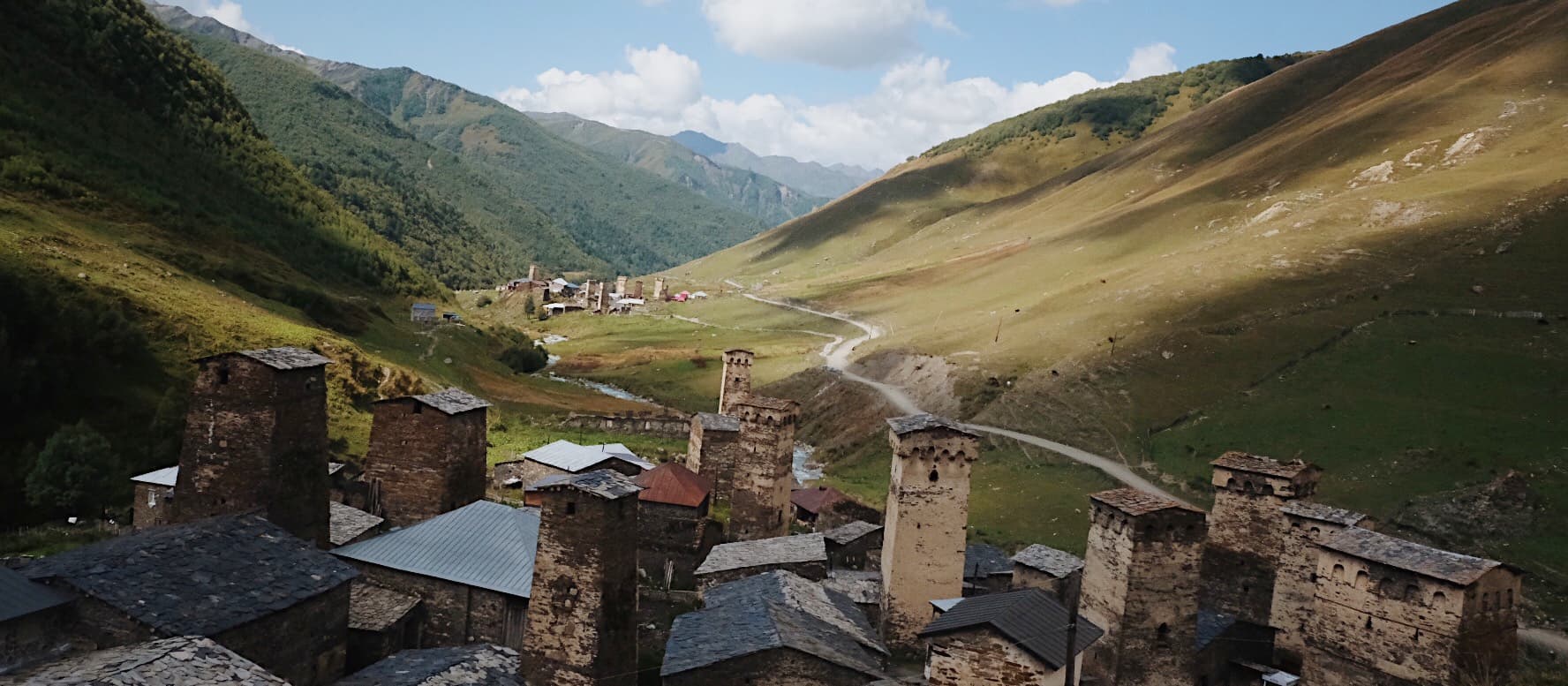
Located in the Caucasus Mountains of northwestern Georgia, the region of Svaneti contains numerous stone towers built centuries ago. These Svanetian towers served as defensive structures for families in this remote mountainous area and remain standing today as architectural and cultural remnants.
Historical Origins
The majority of towers visible in Svaneti today were constructed between the 9th and 13th centuries, during what is referred to as Georgia's "Golden Age." The indigenous people of Svaneti, called Svans, have inhabited these mountains for millennia. Ancient Greek writers, including Strabo, documented them as the "Soanes," mountain inhabitants known for their resilience and autonomy.
During the medieval period, Svans developed a distinctive lifestyle. Their geographic isolation prevented reliance on central protection, leading them to construct towers adjacent to their dwellings. These structures functioned as fortresses and shelters, built to withstand environmental threats and human conflicts.
Geographic and Social Context
The prevalence of towers in Svaneti but not elsewhere in Georgia results from several factors:
- Geographic isolation: Surrounded by some of the highest Caucasus peaks, Svaneti remained relatively protected from invasions but required self-reliance.
- Social structure: Svaneti developed around clan-based communities with local traditions and an honor code that included blood feuds. Towers provided both physical protection and social standing.
- Economic resources: Despite the harsh climate, Svaneti possessed natural resources, particularly gold. Mountain rivers carried gold deposits, which provided wealth to fund durable tower construction.
Architectural Features
Svanetian towers appear as simple stone structures that taper slightly upward. Their design demonstrates practical engineering considerations. Most towers range from 3 to 5 stories in height, with walls exceeding one meter thick at the base. The entrance typically begins at the second floor, accessed via a removable wooden ladder for security.
The interior features wooden floors dividing the levels, each serving different functions. Lower levels stored provisions and livestock, while upper levels provided living quarters or final refuge. The top level contained narrow observation slits and stone projections for defensive purposes.
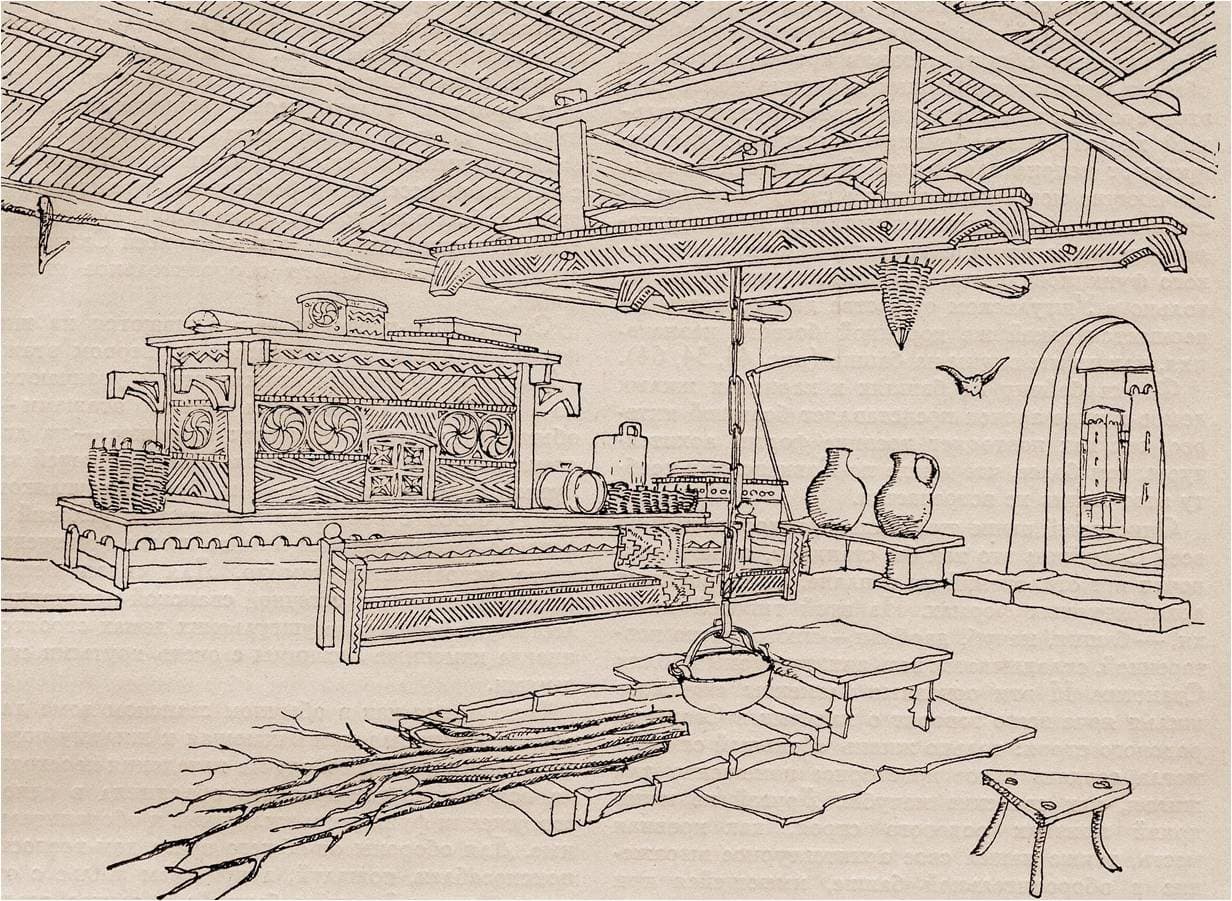
Most towers connected to a dwelling called a machubi, which contained a central hearth and attached stables. The tower stood adjacent, providing supplementary protection.
Community Significance
Villages such as Ushguli and Mestia contain numerous towers. These structures were not exclusive to nobility but represented community projects constructed with collective assistance. Every tower has historical significance, with some built following blood feuds and others commemorating social occasions.
Economic and Climatic Factors
Historically, Svaneti was connected to trade networks linking the Black Sea to Persia. Svans traded gold, timber, honey, and salt, sometimes providing security for caravans. During warmer climatic periods, particularly the Medieval Warm Period, these routes remained accessible and Svaneti prospered, coinciding with peak tower construction.
When the climate cooled, increased snow and glacial activity closed mountain passes, resulting in greater isolation. This separation preserved local architectural features and traditions while creating economic limitations.
Cultural Preservation
The towers protected both people and cultural artifacts. During invasions elsewhere in Georgia, religious icons, manuscripts, and valuables were transported to Svaneti for safekeeping. This practice earned Svaneti the designation "Georgia's treasury."
Eleventh and twelfth-century frescoes remain preserved in mountain churches, and medieval metalwork is housed in regional museums. Some families maintain oral traditions about valuables concealed within tower structures.
Historical and Contemporary Perspectives
Historical accounts from Greek, Roman, Byzantine, and Georgian sources frequently characterized Svans as independent and resilient. Svans maintained traditional customs longer than other Georgian populations, and their religious practices and social independence created a distinctive cultural identity.
Modern archaeological research indicates these towers belong to an older Caucasian architectural tradition potentially dating to pre-Christian periods. Some may have replaced earlier wooden structures.
For local residents, these towers represent family heritage. Many can identify specific towers associated with their ancestors. Some towers remain inhabited while others undergo restoration as functioning historical structures rather than ruins.
Current State
Svaneti, while more accessible now, remains relatively remote. In Mestia, Ushguli, and settlements along the Enguri River, some towers continue to function as family spaces or historical repositories. Preservation efforts conducted by local stakeholders and conservation organizations focus on maintaining cultural continuity. Select towers now admit visitors, providing insight into their historical function.