Georgia may not always make the front page of travel magazines, but it's quietly holding onto some of the world's most remarkable cultural and natural gems. Recognized by UNESCO for both its ancient traditions and jaw-dropping landscapes, this small country in the Caucasus packs in more heritage than you'd expect. Here's a quick look at ten of Georgia's UNESCO-listed wonders — just enough to stir your curiosity and, who knows, maybe nudge you toward a future adventure.
1. Historical Monuments of Mtskheta
Welcome to Georgia's spiritual birthplace. Mtskheta, one of the oldest towns in the country, has seen Christianity take root here since the 4th century. The Svetitskhoveli Cathedral and Jvari Monastery are masterpieces of early Christian architecture. More than their beauty, it's the atmosphere that leaves a mark: centuries of prayer soaked into stone and silence. The place feels sacred, not flashy.
2. Gelati Monastery
Just outside Kutaisi sits Gelati Monastery, built in the 12th century by King David the Builder — a name that kind of says it all. Gelati was more than a religious center; it was Georgia's version of a renaissance campus, home to scholars, scientists, and philosophers. The art inside the church, especially the vivid mosaics and frescoes, are quietly jaw-dropping.
3. Vardzia Cave Monastery (Tentative List)
Vardzia is a monastery literally carved into the rock. Entire cliff faces are hollowed out into chapels, tunnels, and living quarters, dating back to the 12th century. It's awe-inspiring and a little surreal, like Georgia's own Petra. While not yet officially inscribed by UNESCO, it's on the tentative list and absolutely worthy of your attention.
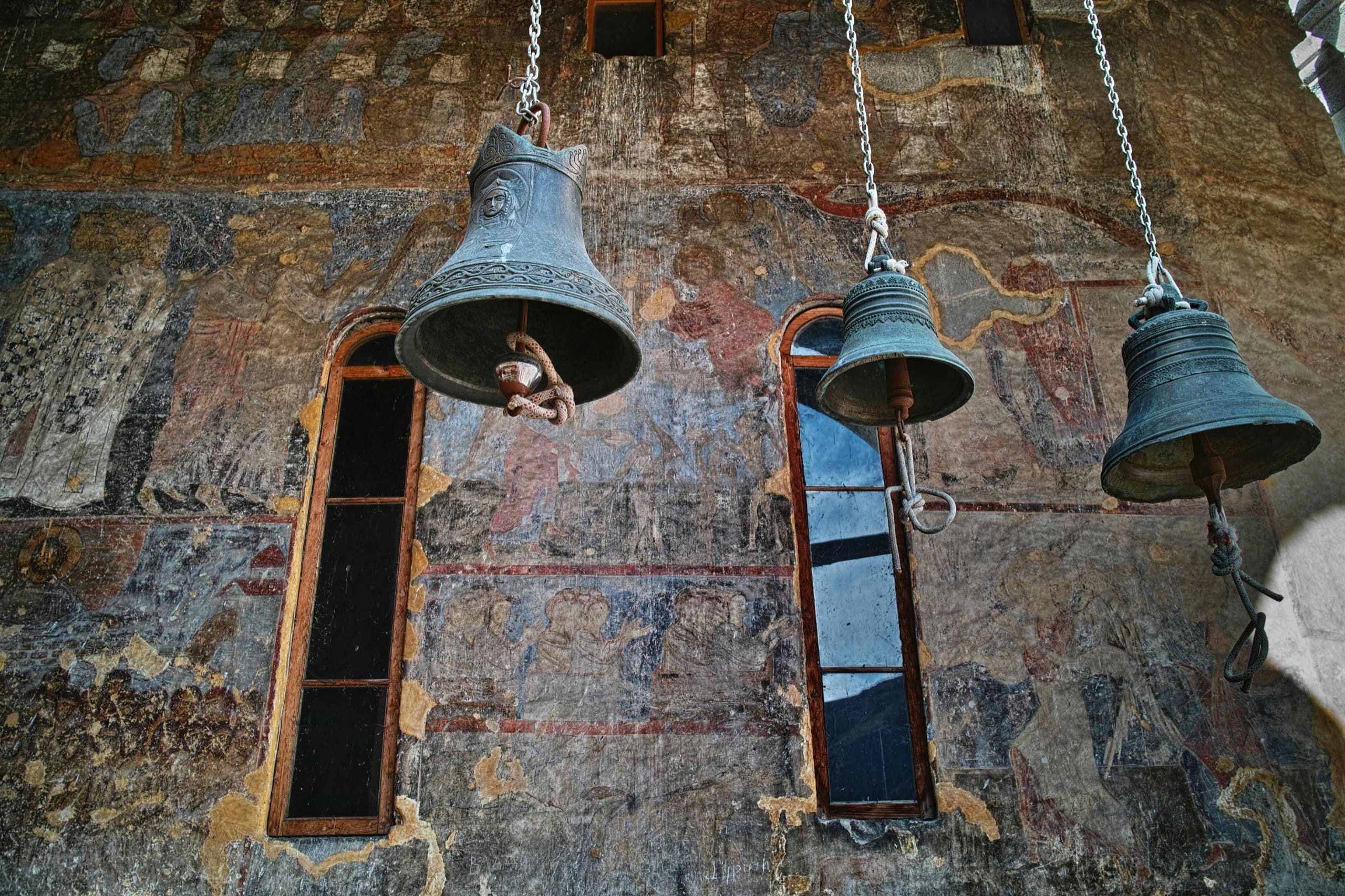
Facade of Vardzia Dormition Church, 12th century
4. Upper Svaneti
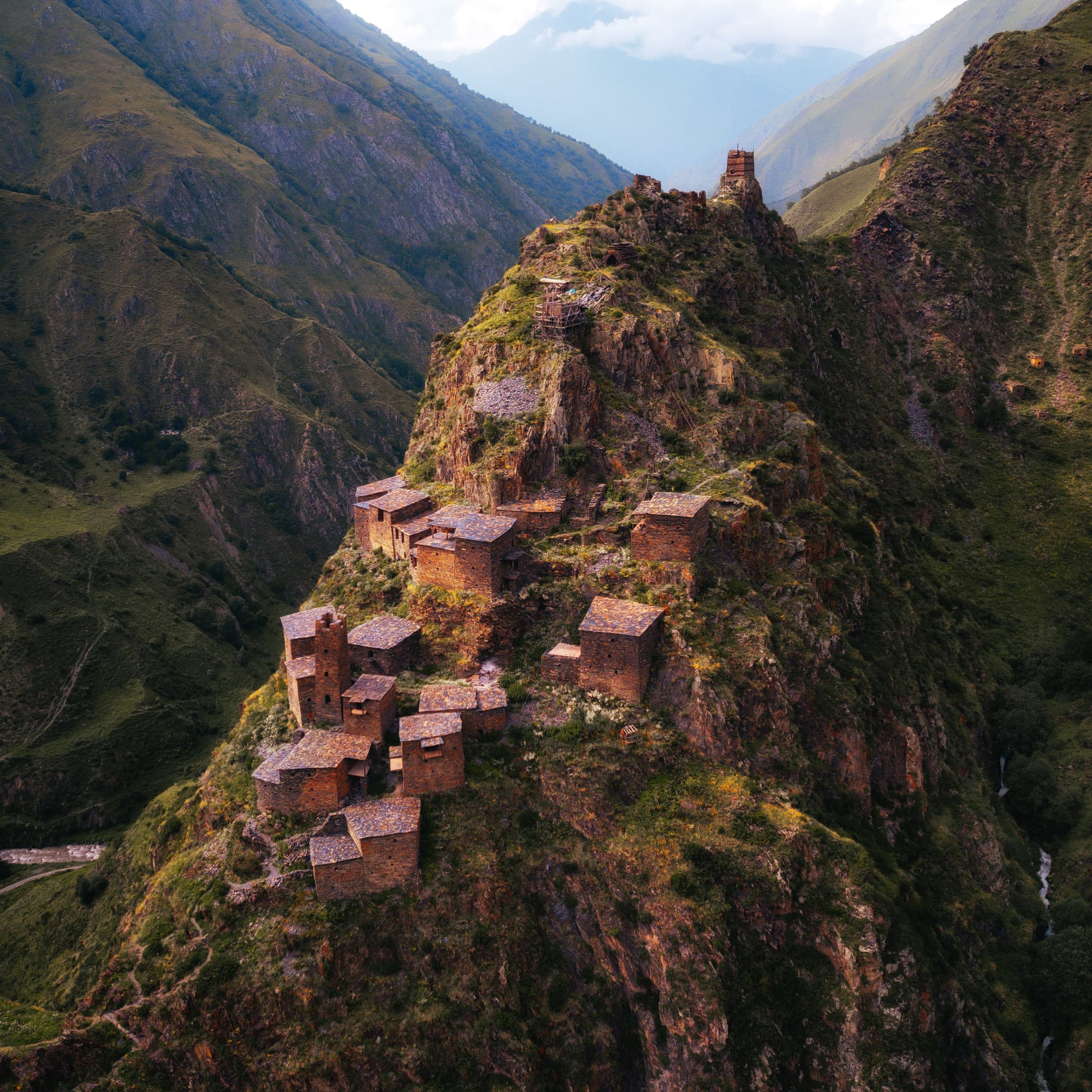
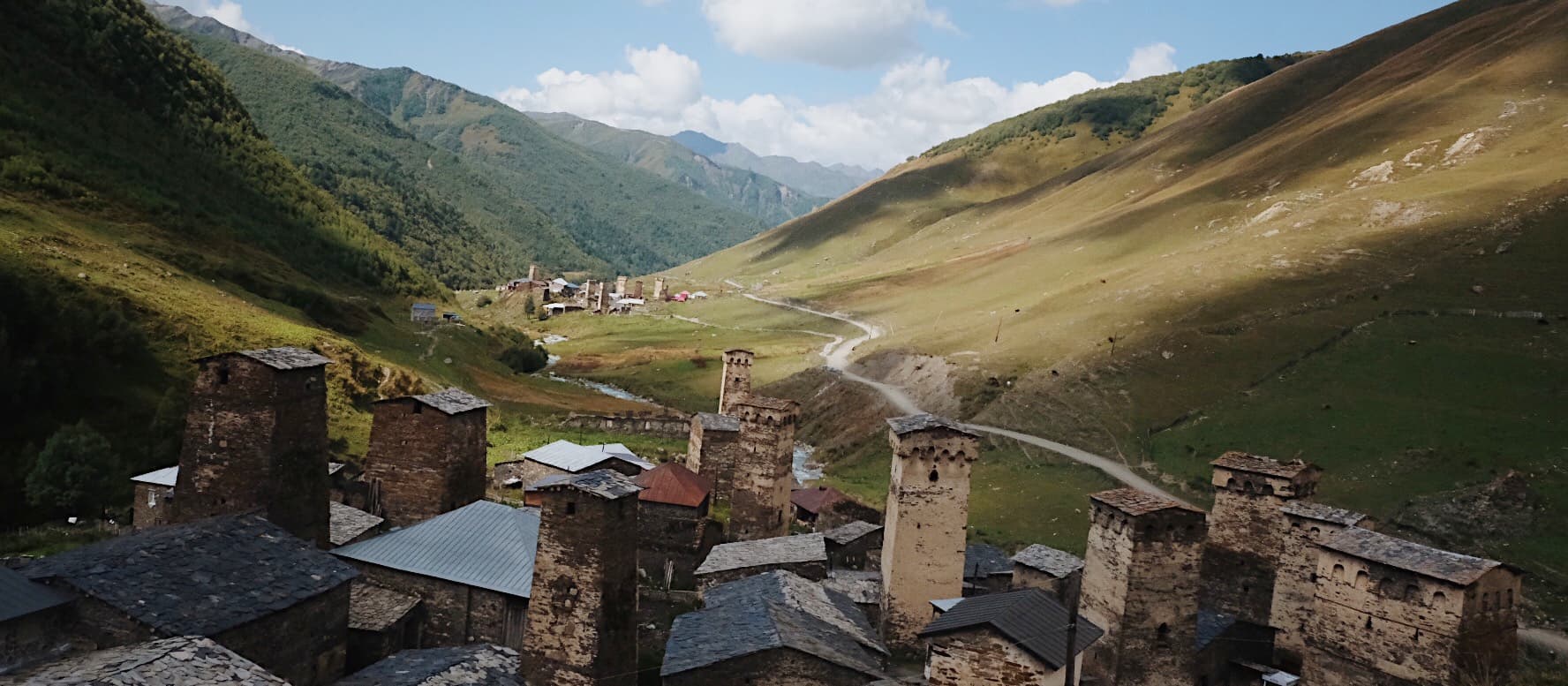
Hidden deep in the Caucasus Mountains, Upper Svaneti looks like a fantasy land — medieval stone towers perched on dramatic hillsides, ancient villages like Ushguli still alive with traditions. Life here isn't easy, and that's partly why this place has preserved its culture so fiercely. The isolation has become its greatest protector.
5. Living Culture of the Three Writing Systems of the Georgian Alphabet
Here's something unique: Georgia has three official scripts, all part of the country's living cultural identity. They're beautiful and unlike any other alphabet in the world. You'll see them everywhere, on street signs and menus, carrying centuries of stories and identity.
6. Georgian Polyphonic Singing
You haven't really heard Georgia until you've heard its polyphonic singing. It's raw and soulful, with a sound all its own. Voices layer over each other, winding through ancient harmonies that feel older than time. Often performed without instruments, these songs are passed down through generations — and you don't need to speak the language to feel their depth.
7. Ancient Qvevri Winemaking Method
Georgia claims to be the birthplace of wine, and UNESCO backs them up. The traditional method uses clay vessels called qvevris — huge, egg-shaped pots buried underground — to ferment and store wine. The result is earthy, unfiltered wine that tastes like the past. Visiting a qvevri wine cellar feels more like a ritual than a tasting.
8. The Cultural Practice of Making and Sharing Lavash
Yes, bread made the list — and rightly so. The traditional practice of making lavash, a thin flatbread, is a communal activity that brings families and neighbors together. Rolled, stretched, and baked against the walls of a clay oven, lavash has always stood for more than food: it's a symbol of hospitality and togetherness.
(Note: This listing is shared among Georgia, Armenia, Azerbaijan, and Iran — showing just how connected and interwoven cultures can be across borders.)
9. Multicultural Urban Fabric of Tbilisi (Tentative List)
This one hasn't made the official UNESCO list yet, but it's on the radar — and for good reason. Tbilisi is a city where cultures, religions, and histories meet. You'll find a synagogue, a mosque, and several churches in the same few blocks. Wooden balconies lean over cobblestone streets, Persian-style brickwork sits beside Soviet mosaics. It's messy, magical, and somehow, it all works.
10. Colchic Rainforests and Wetlands
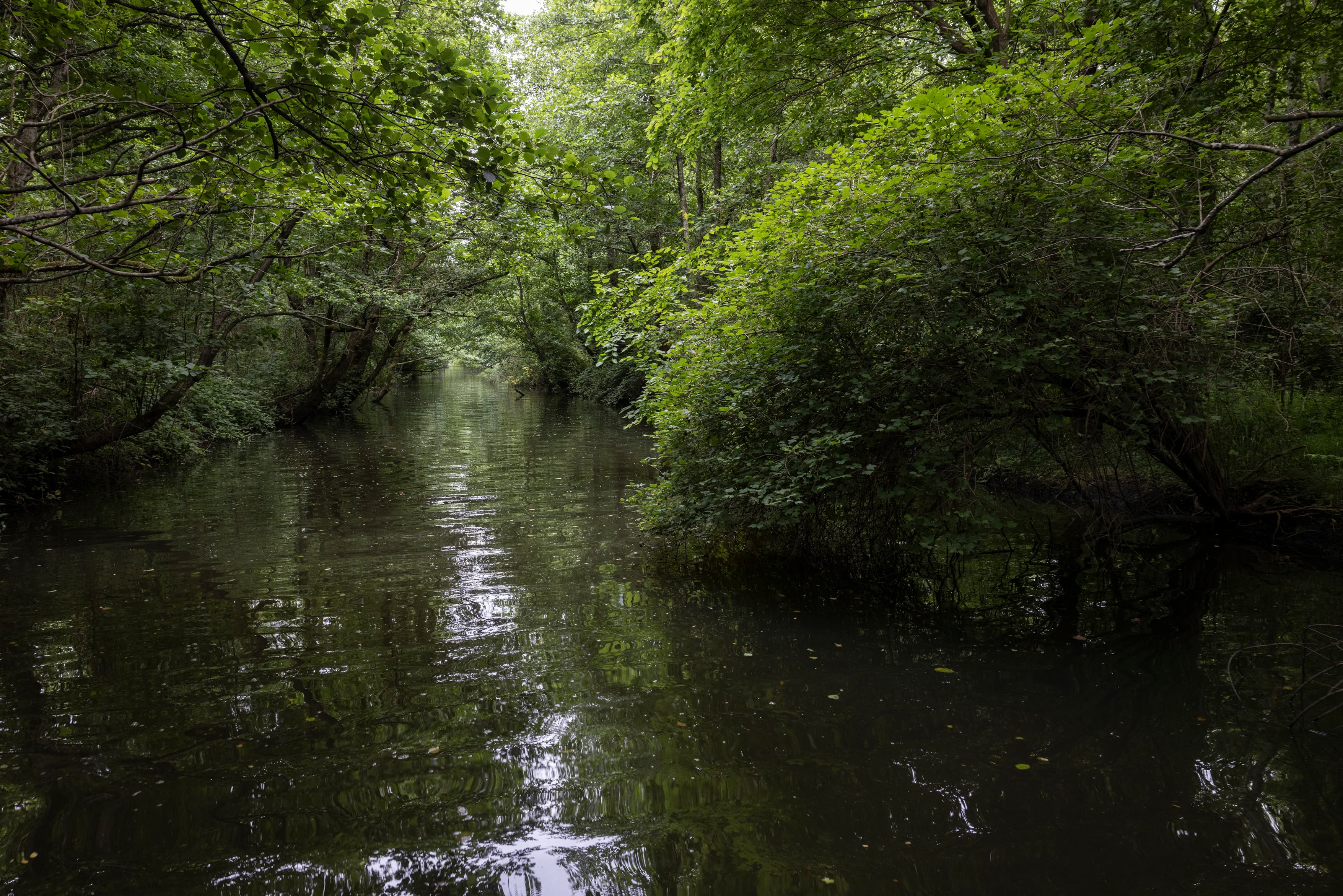
Yes, Georgia is known for wine and mountains — but tropical-looking rainforests? That's a surprise. The Colchic Rainforests, along the Black Sea coast, are some of the most biodiverse places in Europe. Think ancient ferns, mossy trees, rare birds, and even endangered sturgeon lurking in dark waters. It's wild in the best sense of the word.