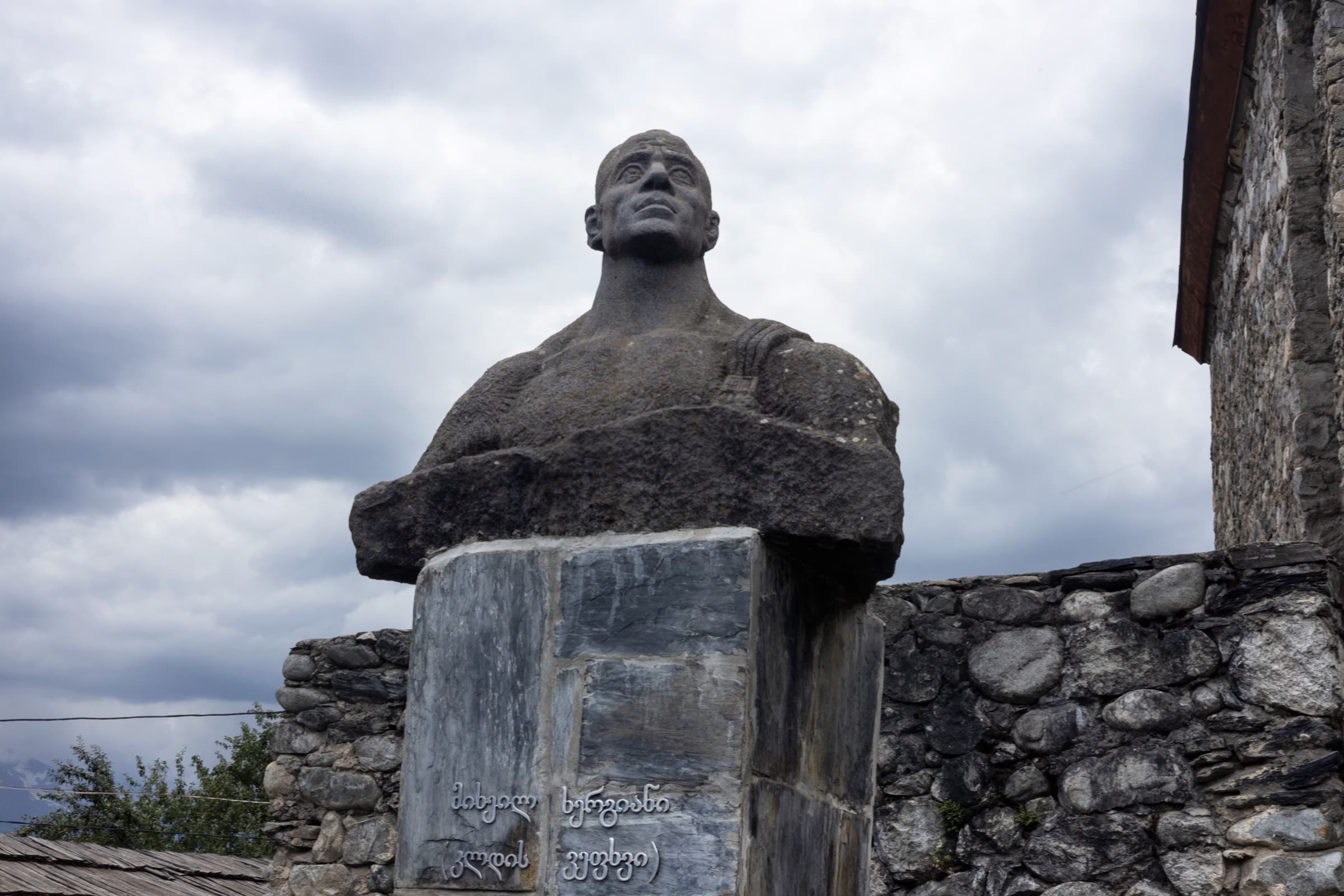
In Mestia, at the house-museum of the famous Georgian mountaineer Mikheil Khergiani, visitors are met every day by the same man — also a Mikheil, the climber's nephew and the keeper of his stories. He has looked after the house-museum for decades now, and talks tirelessly with guests about his uncle's adventures and his character. One story, though, he loves above the rest.
Formally, Mikheil Khergiani competed at international events under the name of the Soviet Union, and yet he always tried to make it clear that he came from Georgia. That detail might have remained the private attitude of a single athlete, were it not for the world he came from. For the people of the mountains, the question of freedom has always carried particular weight in Georgia. For centuries, the highlands of the Caucasus also knew armed resistance against empires, Russian imperial rule among them. Svaneti knows this history from its own experience — the region's difficult geography and the strong tradition of self-government among local communities always sharpened the sense of independence and freedom.
In that context, Khergiani's wish to speak about Georgia abroad, despite being presented as a Soviet athlete, gives his personal story a far wider meaning.
A road that began in the mountains
Mikheil Khergiani was born on 23 March 1932 in Mestia (some sources give 25 March as his date of birth). A bond with the mountains was nothing new in his family — his father, Besarion Khergiani, was a well-known Svan climber, and other members of the family were tied to mountaineering as well.
Mikheil spent his childhood in Svaneti, in a place where the mountain was simply part of everyday life. He gained his first experience on the peaks of the Caucasus range and, from his youth onward, showed exceptional talent both in alpinism and in rock climbing. Later, he worked as an instructor as well.
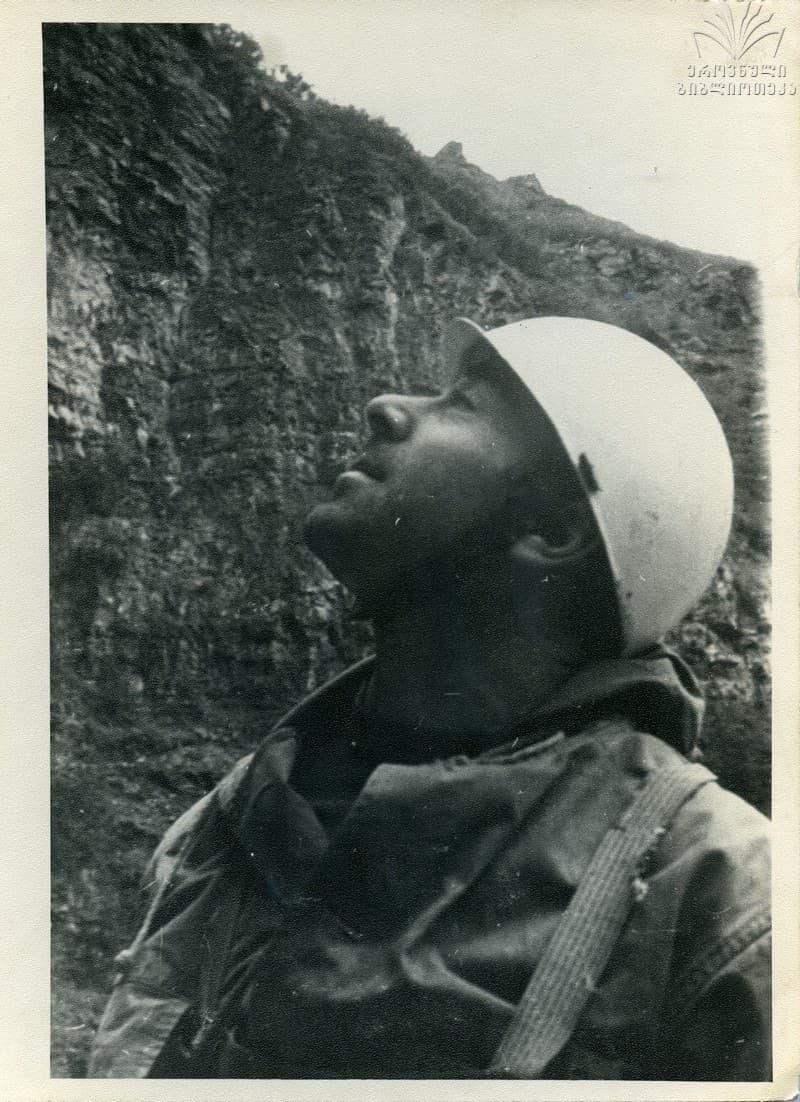
Through the 1950s and 1960s, Khergiani became one of the leading figures of Soviet mountaineering. He was champion of the Soviet Union more than once, and for his sporting achievements he received the titles of Honoured Master of Sport and Master of Sport of International Class.
The geography of his climbs soon reached well beyond the Caucasus. Khergiani worked in the Pamirs and the Tian Shan, and later in the European Alps. His real strength, though, lay in technical rock routes. He was known for his speed, the precision of his movement, and an exceptional ability to work through the hardest sections.
In 1960, after an appearance in Great Britain, British climbers gave him the name “Tiger of the Rocks”. The nickname stayed with Khergiani for the rest of his life, and later took hold in international climbing circles too.
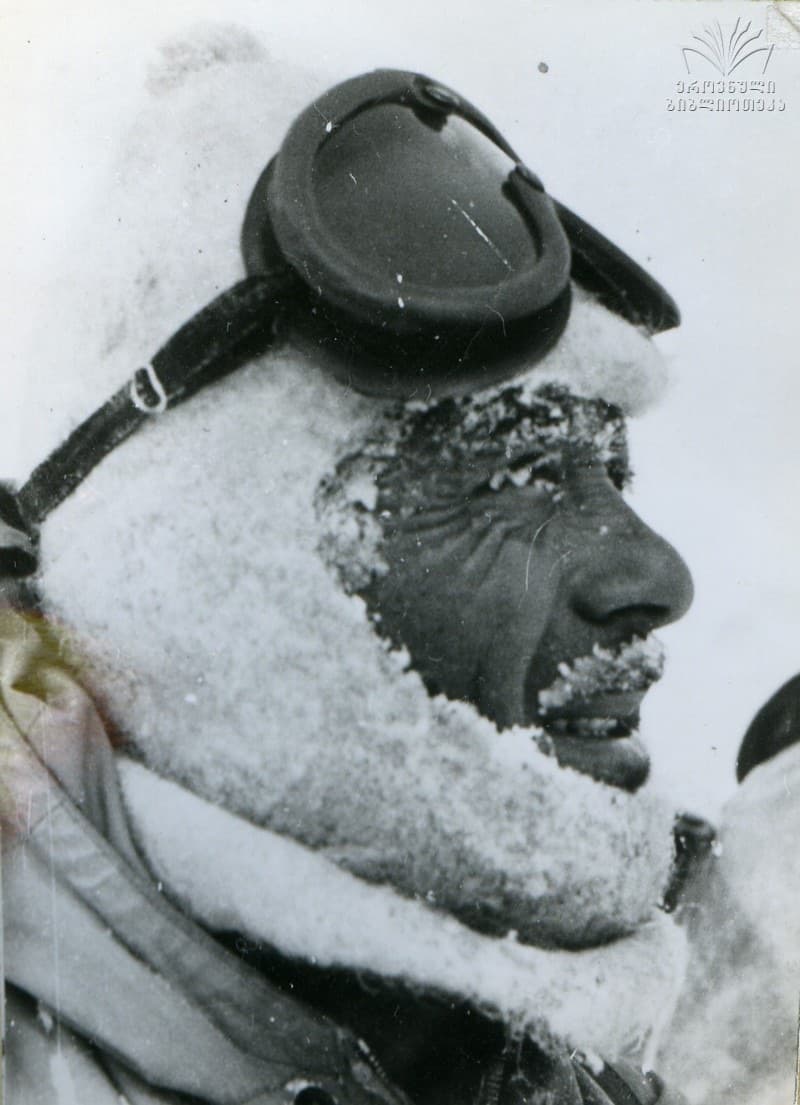
One of the most significant achievements of his career was the 1964 ascent of the north-eastern wall of Ushba. In those same years, Khergiani took part in difficult rescue operations, and beyond his sporting results he earned a name in the climbing world as a responsible and courageous mountaineer.
The Soviet athlete who kept talking about Georgia
At international competitions, Mikheil Khergiani was a representative of the Soviet Union. There was no other choice. Georgia was not an independent state at the time, and within the Soviet sporting system Georgian athletes competed under the name of the USSR.
Yet as his family tell it, it mattered a great deal to Khergiani that foreigners knew where he came from.
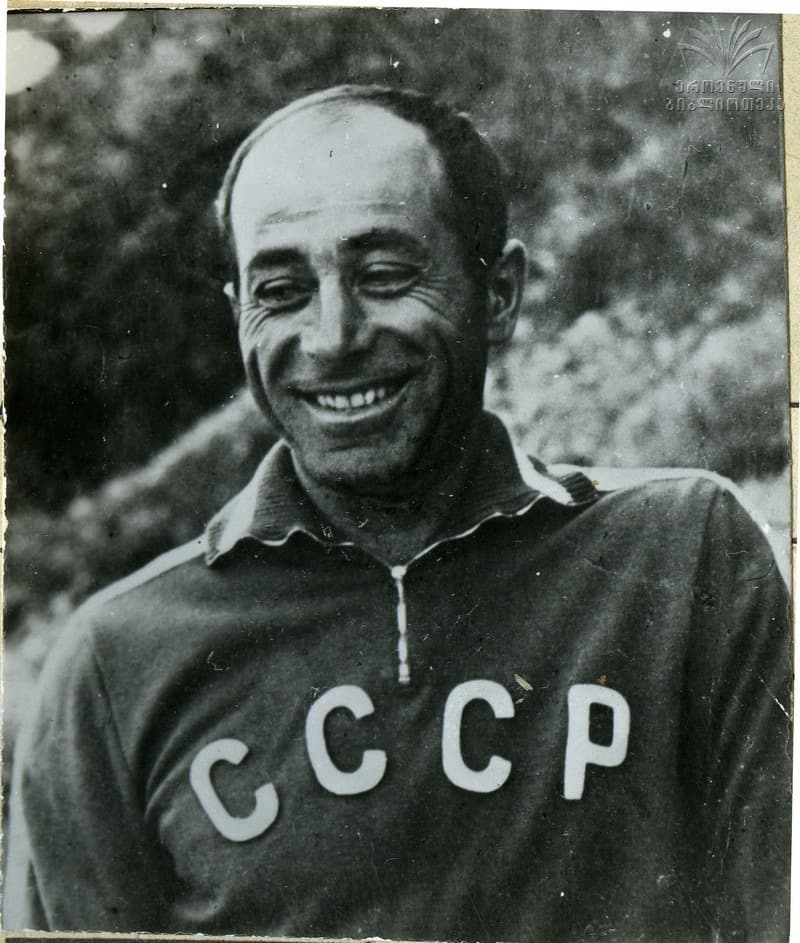
One of his best-known stories is tied to an international gathering in France. According to his family, Khergiani asked a Czech colleague to replace the wording marking the Soviet Union on his meal ticket with “Georgia”. The story is not independently confirmed by official documents, but this is exactly how it is held in the memory of Khergiani's family.
At the house-museum, this story is given particular emphasis. Khergiani's family remember it not merely as a patriotic episode, but as part of who he was — a man who became one of the most successful athletes of the Soviet Union, and who never once tried to hide where he came from.
Perhaps his Svan roots could be felt in that attitude as well. The history of Georgia's mountain regions is often a history of a way of life apart from the central authorities, of local self-government, and of holding on to freedom. That is clearly visible in those periods of Caucasian history when the expansion and rule of the Russian Empire was met with resistance from the highlanders.
Khergiani's life cannot be presented as a story of direct political protest. He worked within the Soviet system, and it was within that system that he reached international success. But it is equally a fact that, inside that space, emphasising his own Georgian identity always mattered to him.
The last climb
In the summer of 1969, Mikheil Khergiani was in the Italian Alps. On 4 July, at the age of 37, while climbing the south wall of Cima Su Alto in the Dolomites, a slab of rock loosened by falling stones cut his safety rope. Khergiani was killed.
His body was carried back to Mestia, where he was buried.
After his death, his name spread more widely still through the climbing world. One of the 4,960-metre peaks of the Turkestan Range was named after him, routes and tournaments were created in his name, and later asteroid No. 3234 was given the name “Khergiani” as well.
The museum in Mestia
In 1983, a memorial house-museum was opened in Mikheil Khergiani's family home. Today it holds his personal belongings, photographs, awards and climbing equipment. At the museum you can also see the old, authentic Svan dwelling connected with the Khergiani family, along with an ancient Svan tower.
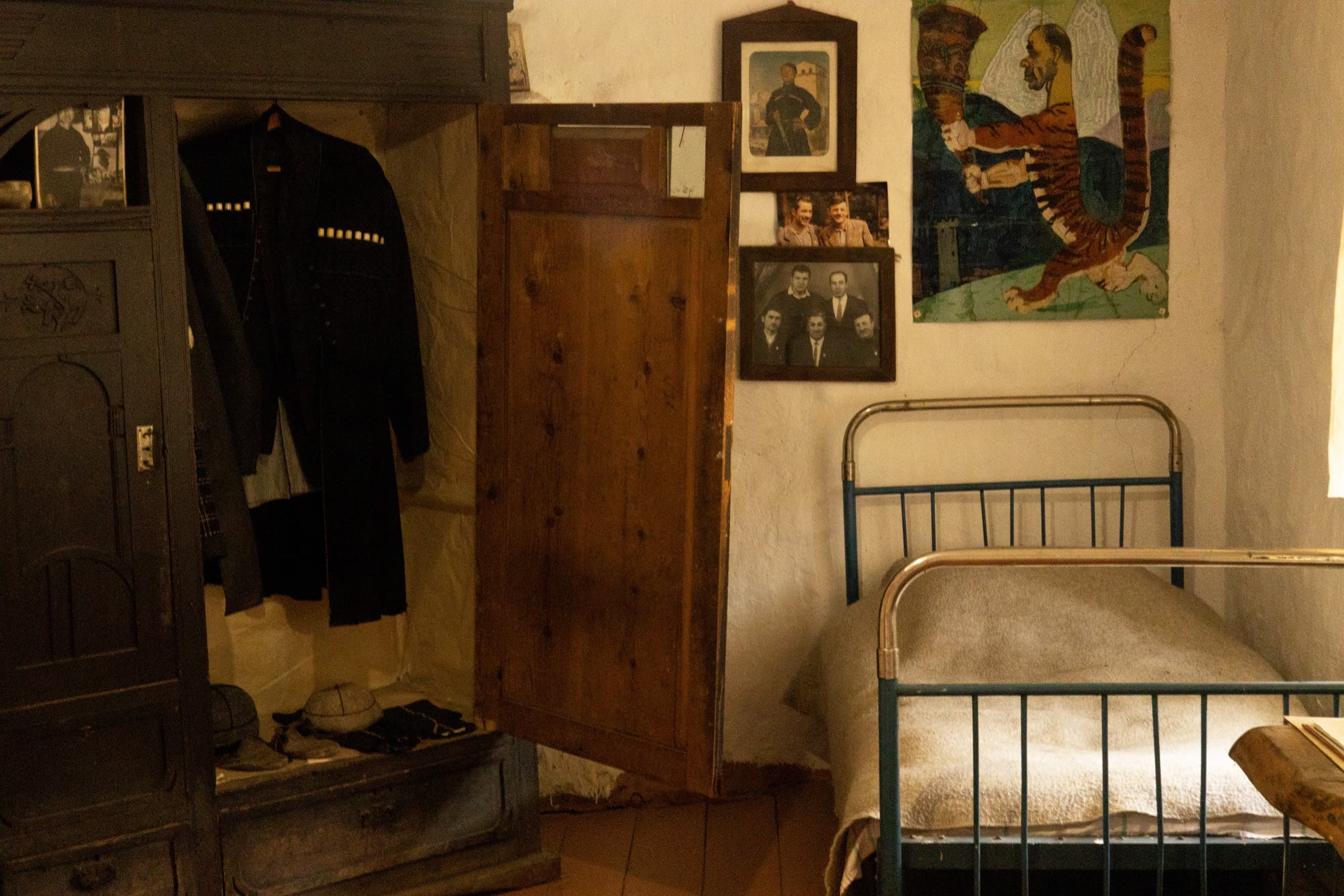
The strongest impression, most likely, is left by the exhibits tied to his last climb. The museum keeps the belt and the severed rope that Mikheil Khergiani was wearing on the final day of his life.
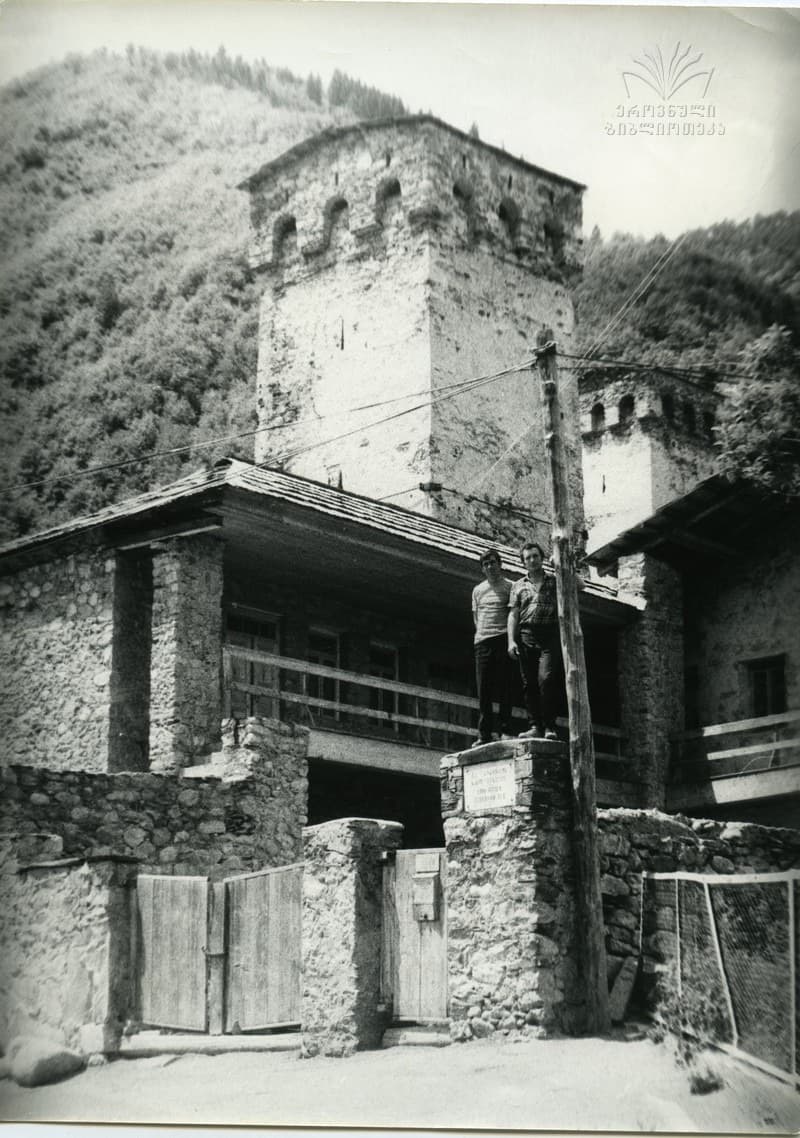
But the true value of this museum is not only its objects. Here, Mikheil Khergiani's story is still told by people. His nephew's family tell visitors about the sporting achievements and, alongside them, the personal details that don't always make it into official biographies.
Perhaps that is exactly why Mikheil Khergiani's museum is so worth your time when you travel through Svaneti. It is not simply the house-museum of one famous climber. It is a place where you see, all at once, the history of Soviet sport, the growth of Georgian mountaineering, and the Svaneti that shaped the “Tiger of the Rocks”.
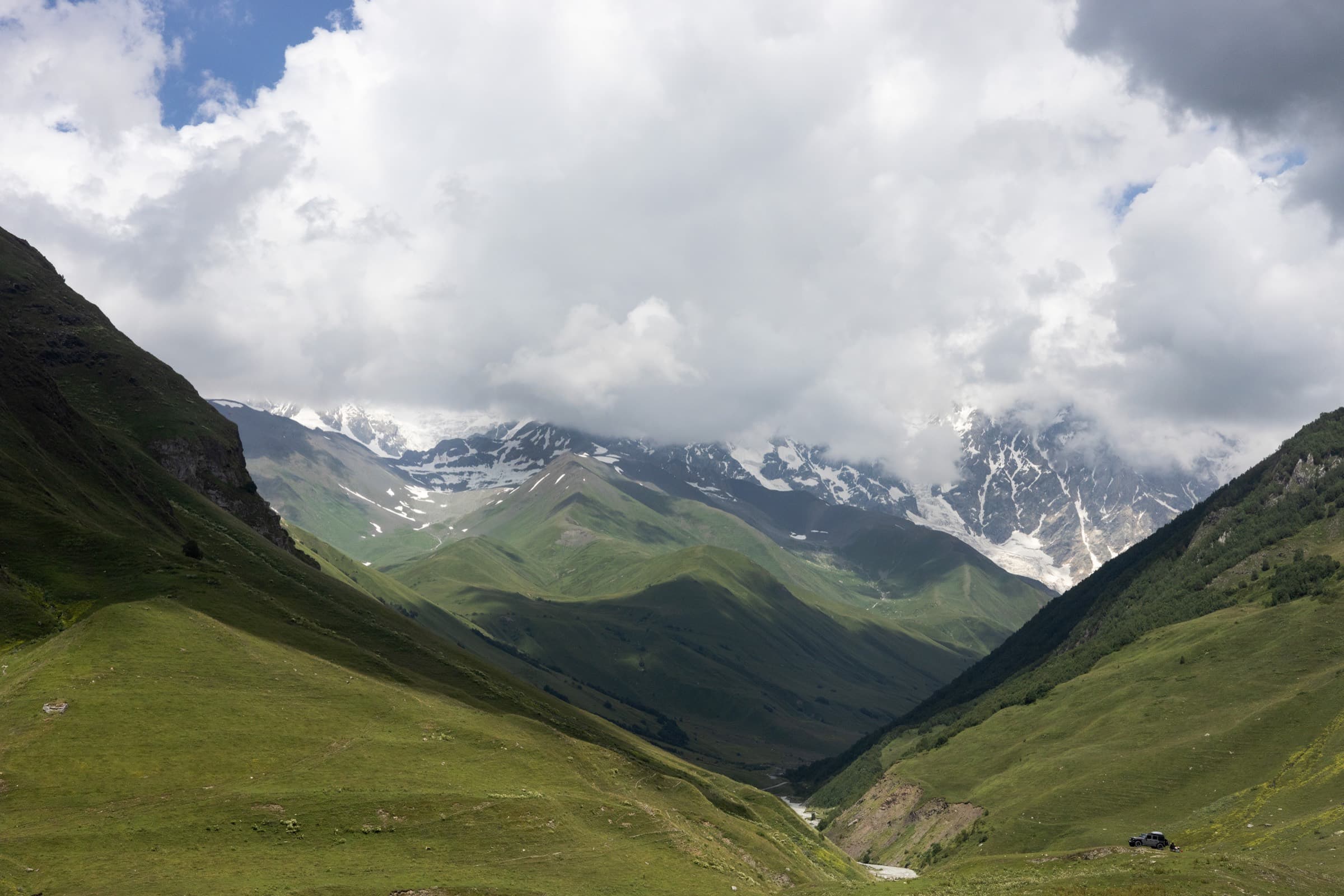
You can plan your journey to Svaneti together with Darani.travel and, while you are in Mestia, visit Mikheil Khergiani's house-museum too. The stories his family tell bring the famous climber closer, and make him more interesting still.